
Top 7 Design Tips for a Durable and Playable Tennis Court
Designing a high-quality tennis court is a balance between functionality, durability, and player experience. Whether for a private residence, a sports club, or a public facility, a well-designed tennis court ensures years of reliable performance and enhances the enjoyment of every match. From proper site selection to material choice, every decision plays a pivotal role in the court’s long-term success. Investing time in planning and design can prevent common pitfalls such as uneven surfaces, poor drainage, or accelerated wear and tear, which not only compromise playability but also lead to costly repairs. Additionally, incorporating player comfort, safety features, and aesthetic appeal into the design can elevate the court beyond a simple playing surface, making it a centerpiece for recreation and social interaction. Thoughtful design also allows for flexibility, accommodating future upgrades or modifications without extensive reconstruction.
In an era where outdoor sports continue to gain popularity, the demand for durable and playable
tennis courts has never been higher. Homeowners, coaches, and facility managers are seeking expert guidance on creating courts that withstand diverse weather conditions, heavy use, and long-term maintenance requirements. This blog highlights seven crucial design tips that industry professionals recommend for building tennis courts that combine performance, durability, and aesthetics. By applying these practical strategies, property owners and developers can ensure their courts remain safe, functional, and enjoyable for players of all skill levels for decades to come. Moreover, a properly designed court can improve property value, attract membership or visitors, and serve as a reliable investment for both recreational and competitive use. Understanding these essential design principles empowers stakeholders to make informed decisions and achieve a court that truly stands the test of time.
1. Choose the Right Location and Site Preparation
Assess Site Topography
A successful tennis court begins with a carefully selected site. Flat or gently sloping terrain minimizes excavation costs and ensures uniform play. Steep or uneven areas may require significant grading, which can be expensive and affect drainage patterns. Consider natural sun exposure and wind direction, as these factors influence visibility and player comfort during matches.
Ensure Proper Drainage
Effective drainage is critical for a long-lasting tennis court. Poorly drained courts develop cracks, pooling water, and surface deterioration over time. Incorporate a slight slope—typically 1–2% away from the center—to direct water to perimeter drains. Subsurface drainage systems, such as French drains, can further prevent water accumulation, protecting both the surface and sub-base.
Soil and Sub-Base Evaluation
The stability of a tennis court heavily depends on the underlying soil and sub-base. Conduct soil tests to determine composition and compaction requirements. Granular aggregates, crushed stone, or asphalt bases are commonly used to create a firm, even foundation. Proper compaction reduces the risk of settlement, maintains surface integrity, and ensures consistent ball bounce.
Example: A private club in Minnesota observed frequent puddling on its court. By regrading the site and installing a French drain system, they eliminated water accumulation, improving both safety and playability.
2. Select Durable Surface Materials
Hard Courts
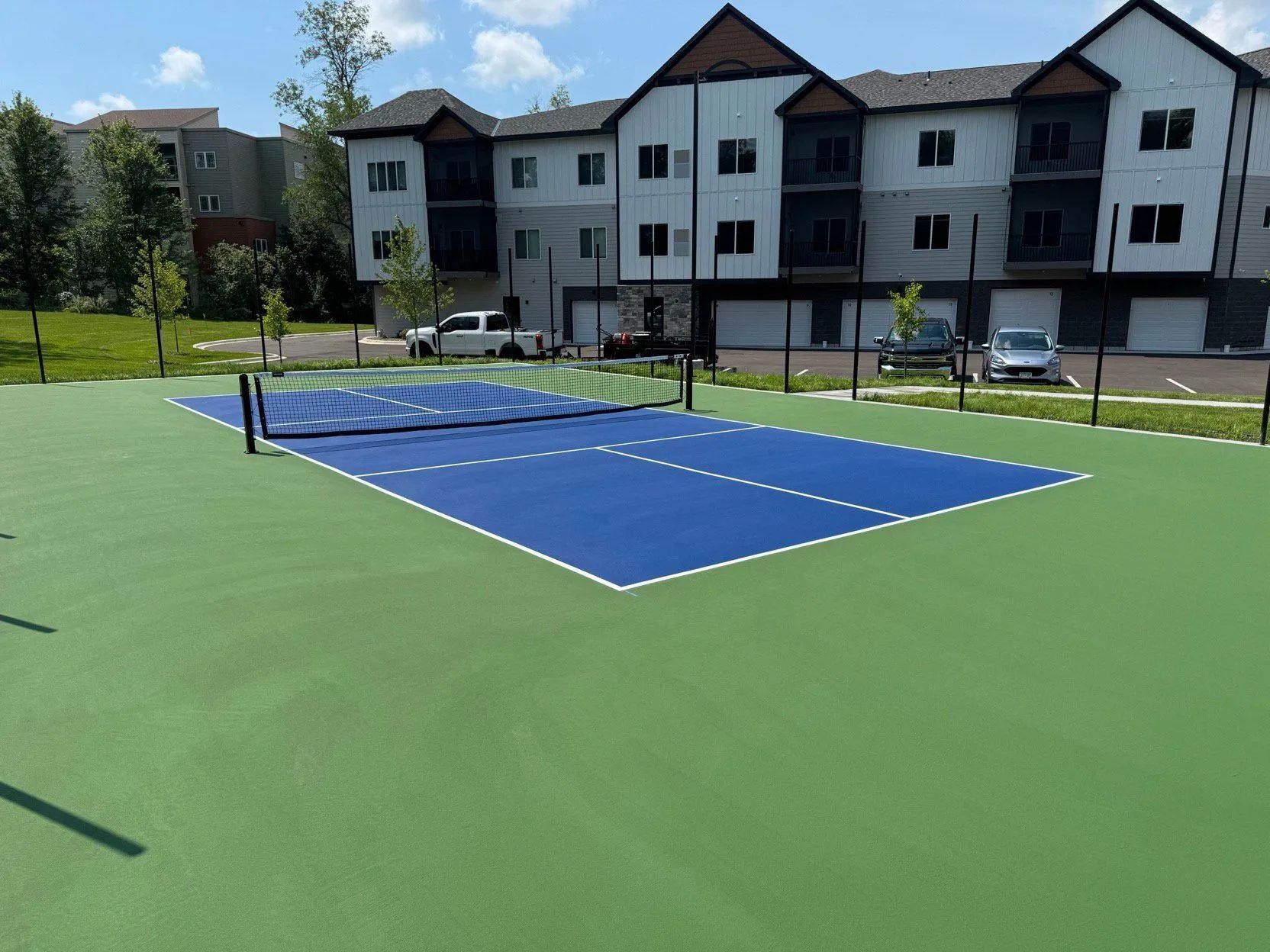
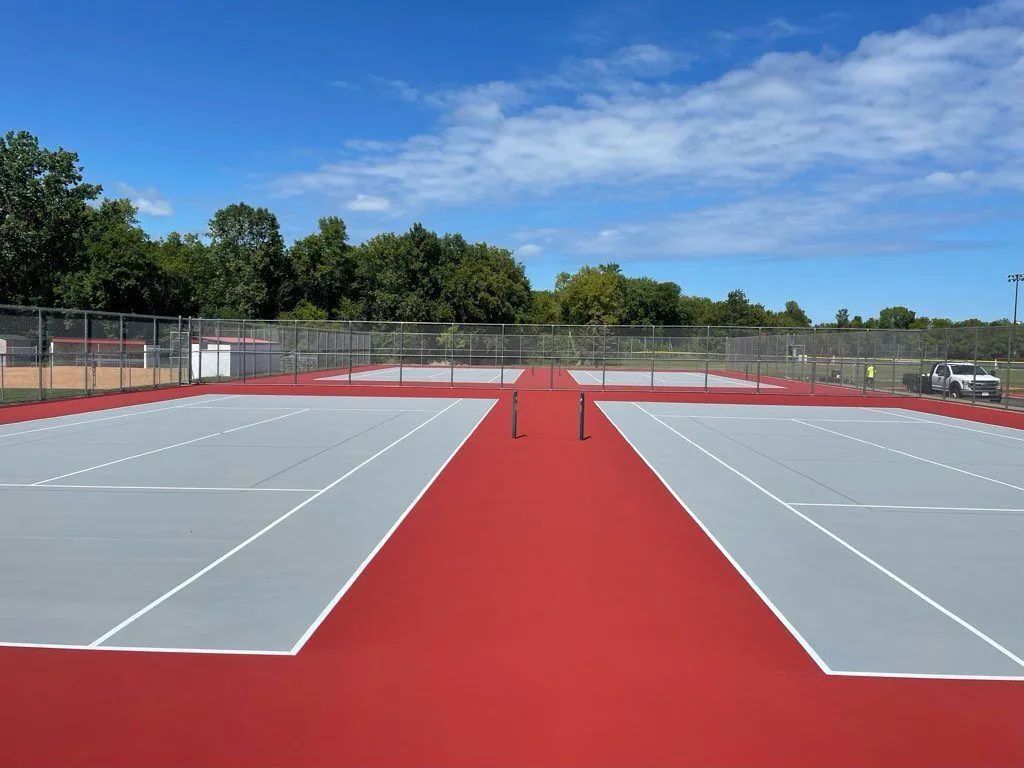
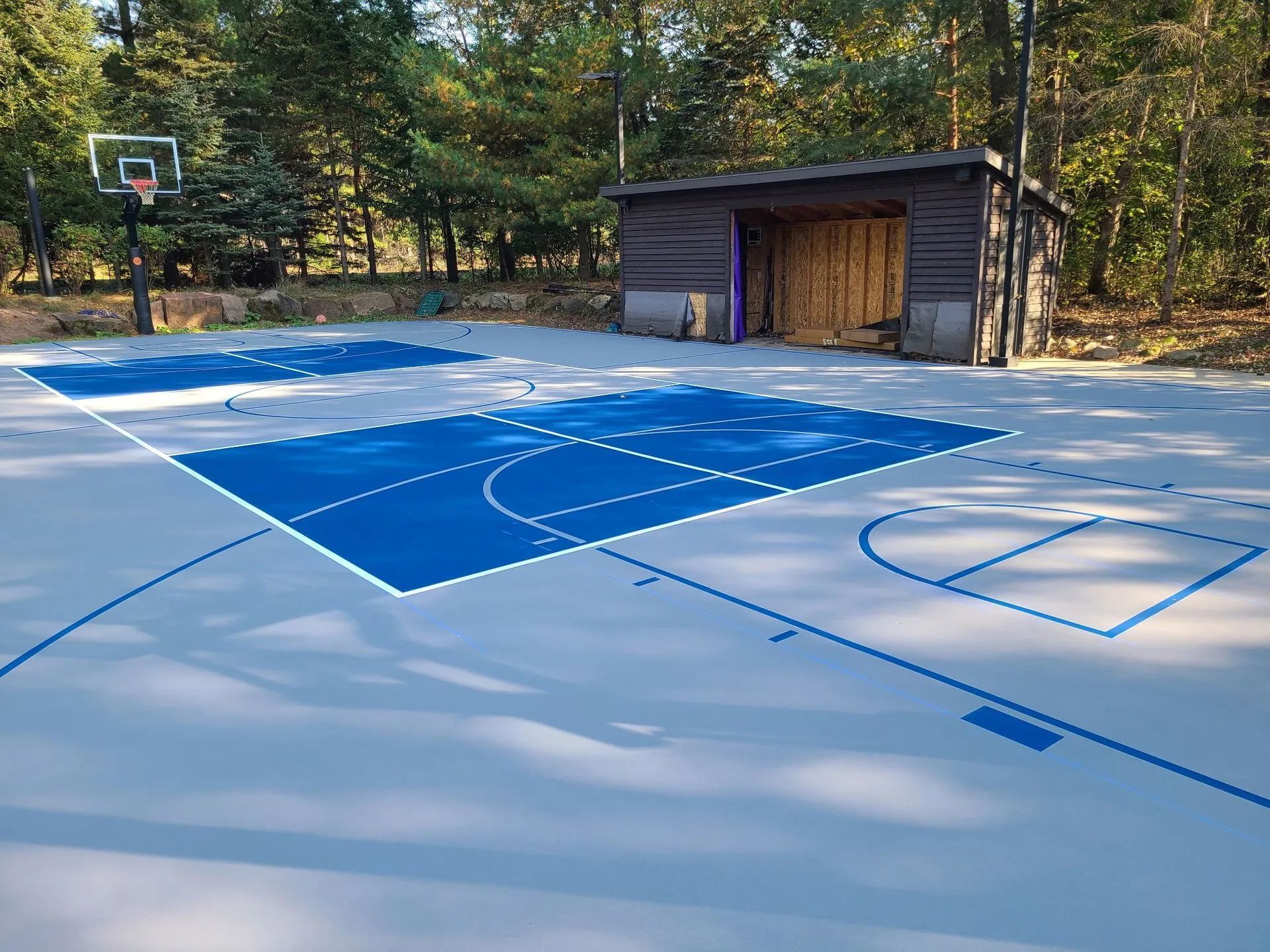
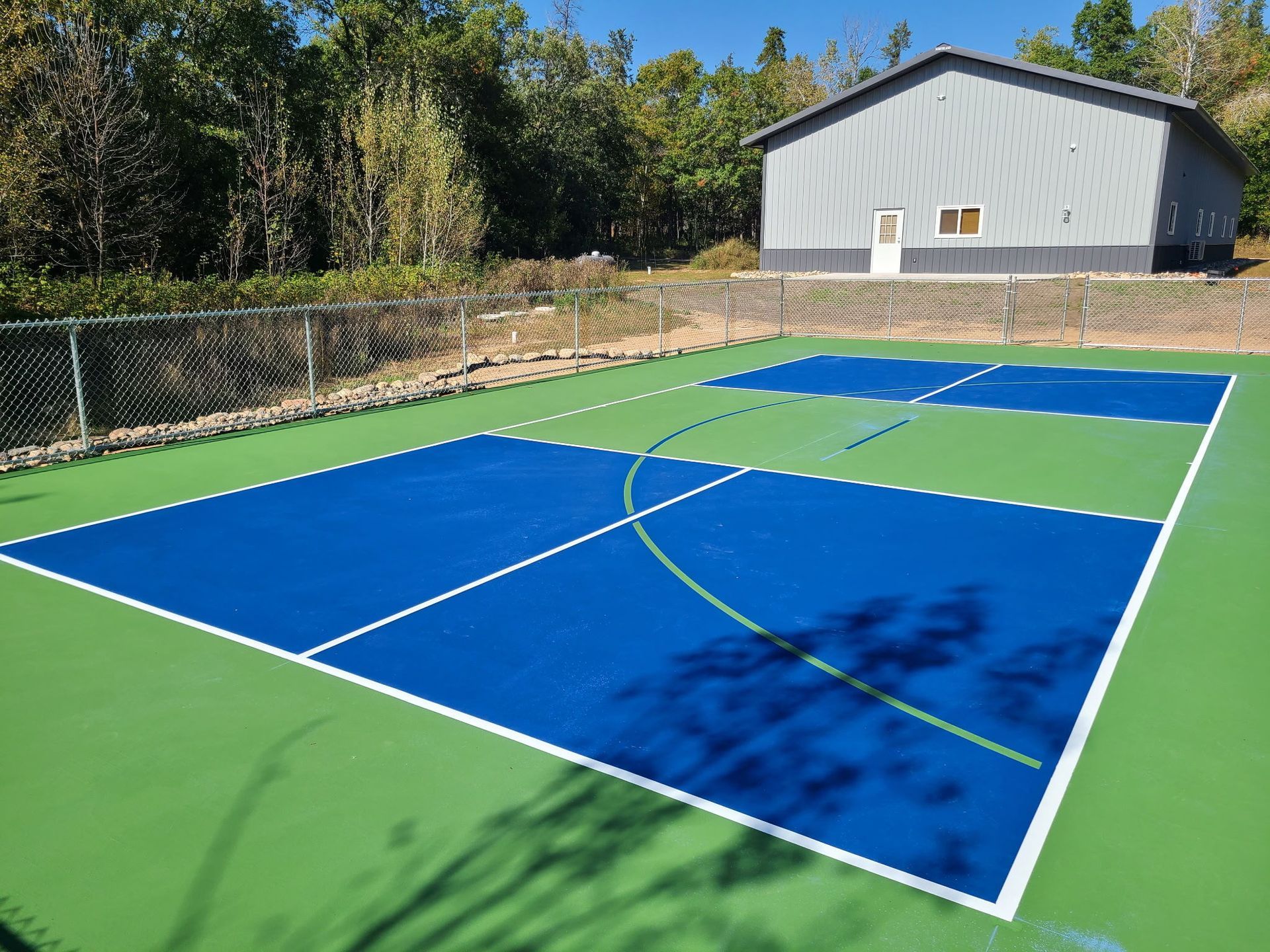
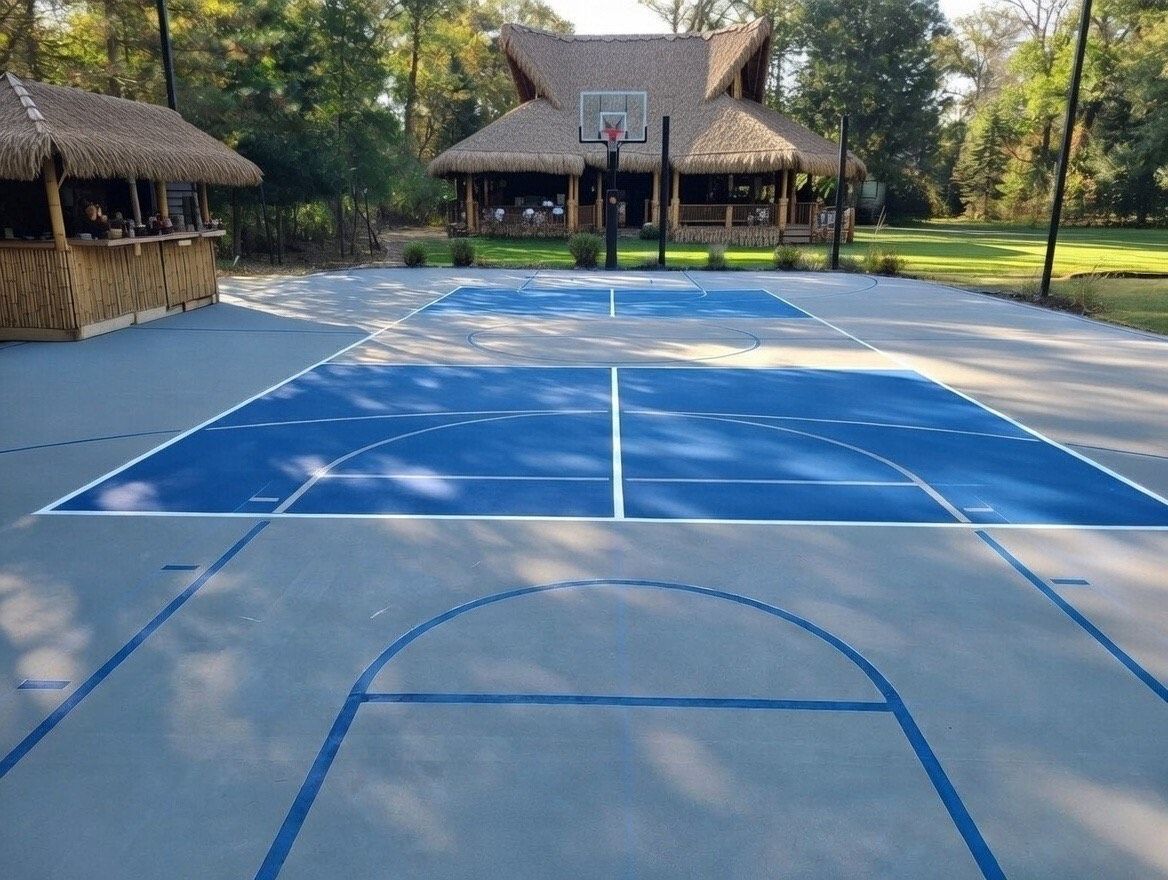
Hard courts are popular for their low maintenance and reliable bounce. Materials like acrylic, asphalt, and concrete offer durability and versatility. Incorporate multiple layers—including a cushioning layer, primer, and acrylic coating—to extend the court’s lifespan and enhance player comfort.
Clay Courts
Clay surfaces provide excellent sliding control and softer impact on joints. However, they require regular watering, rolling, and brushing to maintain evenness. Use crushed brick or stone for the top layer, and ensure a well-compacted base to prevent irregular ball bounce.
Grass Courts
Grass courts deliver natural aesthetics and slower ball speed but demand intensive maintenance. Soil quality, irrigation, and mowing practices must be closely monitored. This option is best suited for professional clubs or enthusiasts prepared for high upkeep.
Best Practice: Match surface selection with local climate conditions and expected usage frequency. Hard courts suit regions with freeze-thaw cycles, while clay courts thrive in temperate zones with consistent irrigation.
3. Optimize Court Dimensions and Layout
Standard Tennis Court Dimensions
Regulatory dimensions ensure a playable experience for singles and doubles matches. A standard court measures 78 feet long and 36 feet wide, with an additional 10–12 feet of run-off space around the perimeter. Accurate dimensions prevent boundary disputes and allow players to practice effectively.
Orientation Considerations
Orient courts north-south to minimize sun glare during morning and evening play. Proper alignment enhances player visibility and reduces fatigue caused by constant sun exposure.
Surrounding Space
Allocate sufficient space for fencing, benches, and walking paths. Fences should be at least 10 feet high to contain balls and prevent interruptions. Consider spectator seating, lighting, and safety zones to create a comprehensive, user-friendly environment.
Example: A sports complex in central Minnesota rotated its new courts to a north-south orientation. Players reported significantly improved visibility and reduced sun glare, enhancing overall satisfaction.
4. Implement Advanced Drainage and Water Management
Surface Slope Design
Even minor deviations in slope can lead to water pooling and surface damage. Maintain a consistent 1–2% slope, directing water to drains along the perimeter or to underground piping systems.
Perimeter and Subsurface Drainage
Install gravel-filled trenches or perforated pipes beneath the court surface to redirect water away from the foundation. This prevents erosion and maintains structural integrity.
Rainwater Mitigation Techniques
Consider permeable surfaces or a slight crown in the center of the court to promote runoff. Combining multiple drainage strategies safeguards the court from freeze-thaw cycles, especially in northern climates where ice formation can cause cracking.
Example: A sports complex in central Minnesota rotated its new courts to a north-south orientation. Players reported significantly improved visibility and reduced sun glare, enhancing overall satisfaction.
5. Choose High-Quality Fencing, Lighting, and Accessories
Fencing for Safety and Functionality
Durable fencing protects both players and property. Chain-link or welded-wire fencing with corrosion-resistant coatings provides long-term stability. Ensure adequate height and secure posts to withstand wind loads and impact from balls.
Lighting Solutions
Outdoor tennis courts benefit from well-planned lighting for evening play. Use LED or high-efficiency floodlights mounted at the correct angles to avoid glare. Position poles outside run-off zones to prevent injuries and surface interference.
Accessories and Amenities
Consider benches, shade structures, water stations, and scoreboards. High-quality nets, tension systems, and windscreens contribute to player comfort and performance. Thoughtful design increases the court’s usability and overall appeal.
Best Practice: Select materials that withstand local weather conditions, UV exposure, and heavy usage. Powder-coated metals, treated wood, and weather-resistant plastics offer longevity.
6. Prioritize Maintenance and Longevity
Routine Cleaning
Regular sweeping, washing, and debris removal prevents dirt accumulation and surface degradation. Power washing and specialized court cleaning solutions extend the life of coatings and minimize slip hazards.
Resurfacing and Repairs
Hard courts typically require resurfacing every 5–10 years depending on usage. Clay courts need more frequent rolling and top-dressing. Address cracks, divots, and erosion immediately to maintain consistent ball bounce and safety standards.
Preventive Measures
Limit exposure to standing water, extreme heat, or ice. Encourage players to use appropriate footwear to reduce surface wear. Educate maintenance staff on best practices for irrigation, brushing, and chemical treatments.
Example: A private tennis facility in Minnesota established a quarterly maintenance schedule for its clay courts. Regular rolling, irrigation, and cleaning kept the courts playable year-round and minimized costly repairs.
7. Incorporate Sustainability and Environmental Considerations
Eco-Friendly Materials
Use recycled aggregates, low-VOC coatings, and permeable surfaces where feasible. Sustainable material choices reduce environmental impact and improve community perception.
Water Management
Implement rainwater harvesting or efficient irrigation systems for clay and grass courts. This approach conserves water while maintaining optimal court conditions.
Landscaping and Windbreaks
Strategic placement of trees, shrubs, or wind screens can reduce erosion, minimize wind interference, and create a more pleasant environment. Choose native plants to reduce irrigation needs and promote local biodiversity.
Benefit: Sustainable design not only protects the environment but also reduces long-term operating costs, enhancing the court’s value for years to come.
Trusted Solutions for High-Quality Tennis Court Design
Designing a durable and playable tennis court requires careful attention to location, surface selection, dimensions, drainage, fencing, maintenance, and sustainability. Each decision influences the court’s longevity, safety, and overall player experience. By integrating these seven design tips, property owners and facility managers can create courts that perform reliably under diverse weather conditions, withstand heavy use, and deliver an exceptional playing environment.
For over 100 years, Outdoor Specialties
has been a trusted leader in designing and constructing high-quality tennis courts in Northern and Central Minnesota. Our decades of experience allow us to combine expert knowledge with practical insights, ensuring every court we build is both durable and playable. From selecting optimal site locations to choosing the right surface materials, drainage systems, and accessories, our team prioritizes quality, precision, and long-term performance. We understand the unique challenges posed by Minnesota’s climate, including freeze-thaw cycles, snow, and heavy rainfall, and incorporate specialized solutions to safeguard your investment. Whether you are a private homeowner seeking a personal court or a club developing a multi-court facility, Outdoor Specialties
provides professional guidance, customized design, and meticulous construction to deliver a superior tennis experience. By choosing us, you are partnering with a century-old company committed to excellence, reliability, and customer satisfaction, ensuring your tennis court remains safe, functional, and enjoyable for generations of players to come.