
WHY PICKLEBALL COURTS ARE THE FASTEST-GROWING TREND IN SPORTS FACILITIES
The rise of
pickleball courts signals more than just a new recreational option—it is shaping urban planning, community engagement, and facility design. Facility managers and sports enthusiasts are recognizing the potential of pickleball to attract new demographics, drive participation, and optimize space usage. As a low-impact sport with high social interaction, pickleball offers a compelling combination of health, entertainment, and community-building benefits. Moreover, investment in pickleball infrastructure often increases property values, encourages local tourism, and provides revenue opportunities through leagues, tournaments, and facility memberships.
Understanding the Popularity of Pickleball
Accessibility and Inclusivity
Pickleball’s accessibility is a key factor driving its widespread popularity today. Unlike traditional sports that require extensive training, specific skills, or high physical stamina, pickleball accommodates all ages, abilities, and fitness levels. The smaller court size and slower ball speed allow older adults or beginners to engage comfortably, while the strategic elements maintain long-term interest and challenge for experienced players. Communities seeking to promote wellness, recreational participation, and active lifestyles find pickleball to be an ideal solution for inclusive programming that encourages social interaction.
Social Engagement and Community Building
The social nature of pickleball is another major contributing factor to its rapid growth. Doubles play encourages teamwork, communication, and enjoyable social interaction, making it a favorite among recreational players and community members alike. Many local recreation centers and clubs have observed significantly increased community engagement, retention, and participation due to organized pickleball leagues, social events, and friendly tournaments. For facility operators, this social draw translates into consistent usage, strong community loyalty, and a reliable membership base over time.
Health Benefits and Low-Impact Exercise
Health-conscious individuals are increasingly drawn to sports offering cardiovascular benefits without placing excessive strain on joints or muscles. Pickleball provides an excellent aerobic workout while enhancing balance, coordination, agility, and reflexes in players of all ages. Its low-impact nature reduces the risk of injuries, allowing sustainable participation for the long term and promoting overall wellness. The combination of physical benefits, social engagement, and mental stimulation positions pickleball as a highly desirable and attractive option for modern sports facilities nationwide.
Economic and Operational Advantages of Pickleball Courts
Cost-Effective Installation and Maintenance
Compared to traditional tennis courts, pickleball courts are smaller, more versatile, and require fewer construction materials, making them more cost-effective to build and maintain. Converting existing tennis courts into multiple pickleball courts is also a practical and economical option, allowing facilities to maximize space utilization efficiently while serving more players. Maintenance is relatively straightforward, with fewer demands on surface upkeep, lighting, nets, and equipment replacement, reducing long-term operational costs considerably.
Revenue Generation Opportunities
Sports facilities can leverage pickleball courts as lucrative revenue streams through membership programs, hourly court rentals, leagues, and competitive tournaments for all age groups. Adult leagues, youth programs, corporate events, and charity fundraisers provide diverse monetization opportunities that appeal to a broad demographic. Facilities that host regional or national pickleball tournaments often experience increased traffic, sponsorship opportunities, and local economic impact, further justifying the initial investment in quality court infrastructure.
Multi-Purpose Flexibility
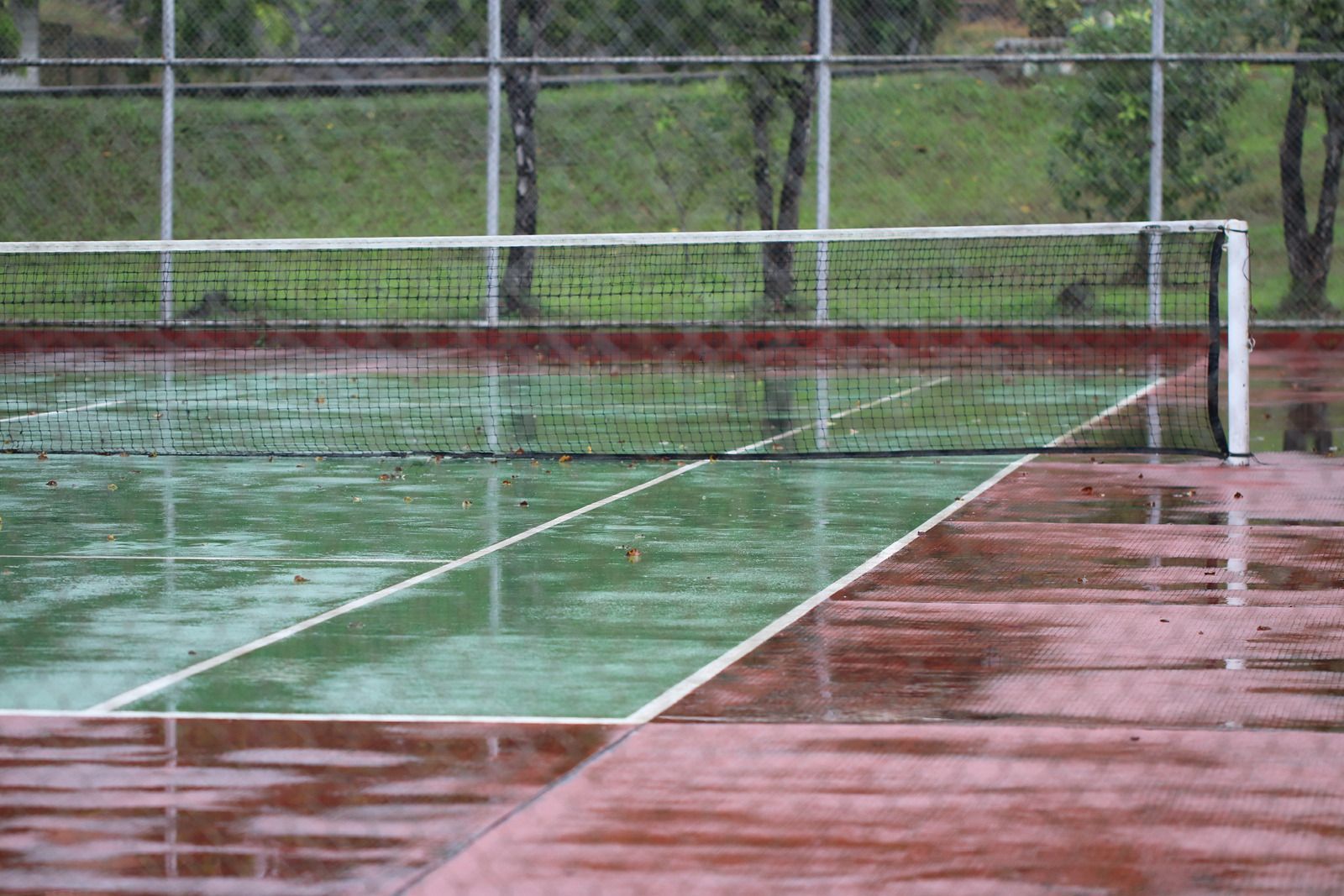
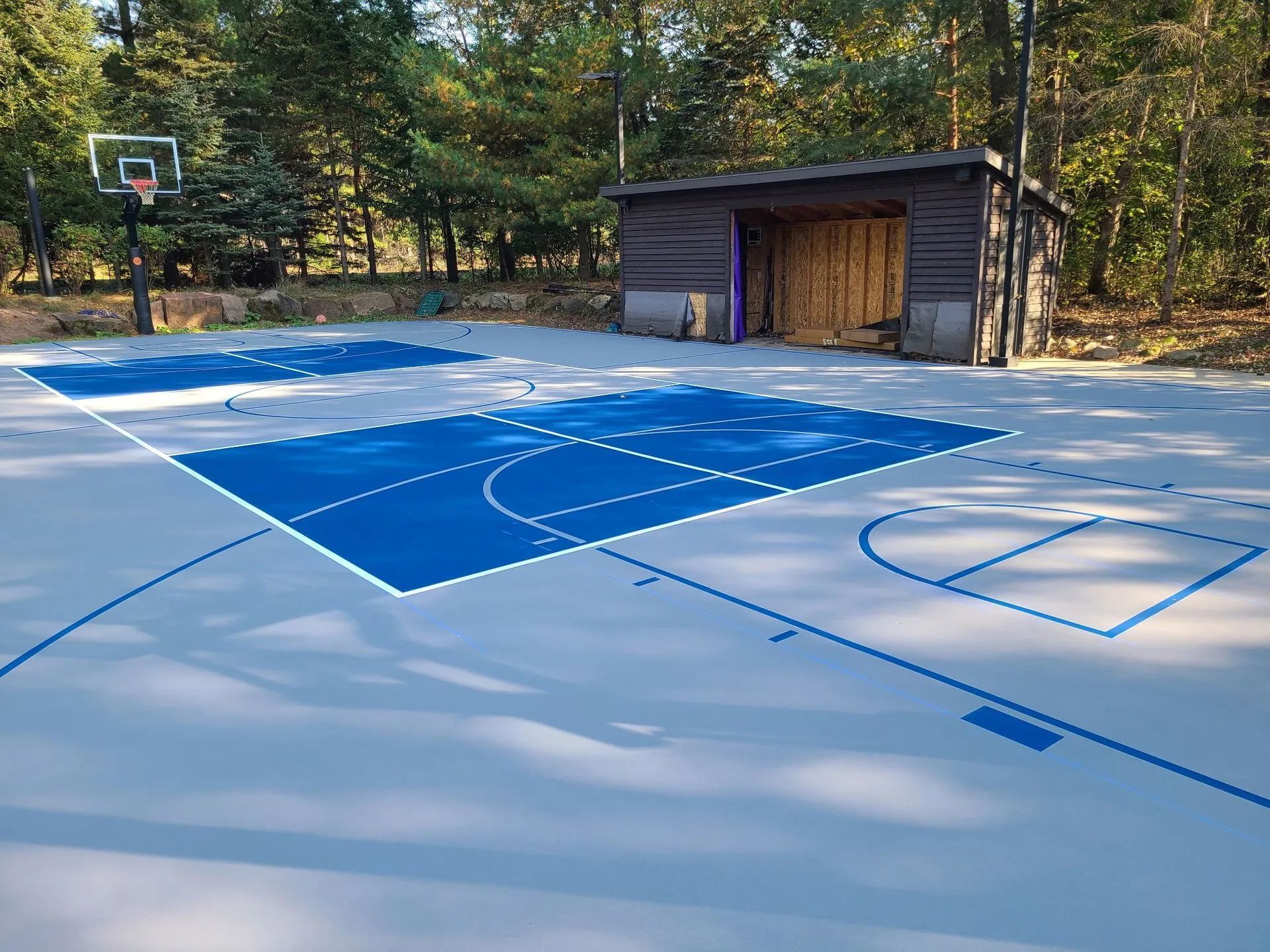
Pickleball courts are highly adaptable and can accommodate multiple recreational activities beyond pickleball itself. Facilities can design courts to support tennis, volleyball, or general fitness programs without significant redesign or expense. This flexibility ensures that investment in pickleball infrastructure remains valuable over time, even as community preferences evolve or seasonal demands shift, making it a strategic, sustainable choice for long-term facility planning.
Economic and Operational Advantages of Pickleball Courts
Cost-Effective Installation and Maintenance
Compared to traditional tennis courts, pickleball courts are smaller, more versatile, and require fewer construction materials, making them more cost-effective to build and maintain. Converting existing tennis courts into multiple pickleball courts is also a practical and economical option, allowing facilities to maximize space utilization efficiently while serving more players. Maintenance is relatively straightforward, with fewer demands on surface upkeep, lighting, nets, and equipment replacement, reducing long-term operational costs considerably.
Revenue Generation Opportunities
Sports facilities can leverage pickleball courts as lucrative revenue streams through membership programs, hourly court rentals, leagues, and competitive tournaments for all age groups. Adult leagues, youth programs, corporate events, and charity fundraisers provide diverse monetization opportunities that appeal to a broad demographic. Facilities that host regional or national pickleball tournaments often experience increased traffic, sponsorship opportunities, and local economic impact, further justifying the initial investment in quality court infrastructure.
Multi-Purpose Flexibility
Pickleball courts are highly adaptable and can accommodate multiple recreational activities beyond pickleball itself. Facilities can design courts to support tennis, volleyball, or general fitness programs without significant redesign or expense. This flexibility ensures that investment in pickleball infrastructure remains valuable over time, even as community preferences evolve or seasonal demands shift, making it a strategic, sustainable choice for long-term facility planning.
Design and Construction Considerations
Court Dimensions and Surface Selection
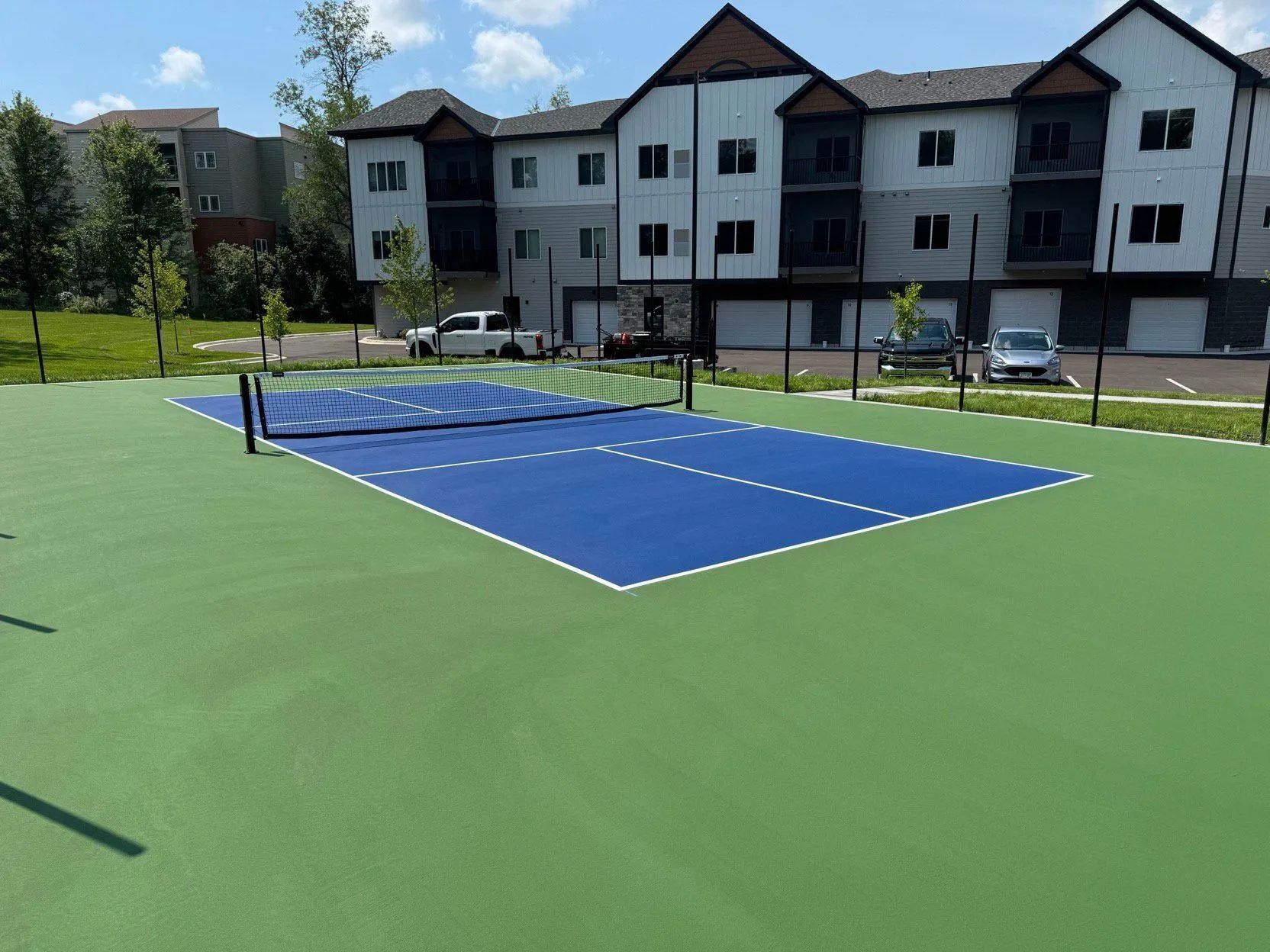
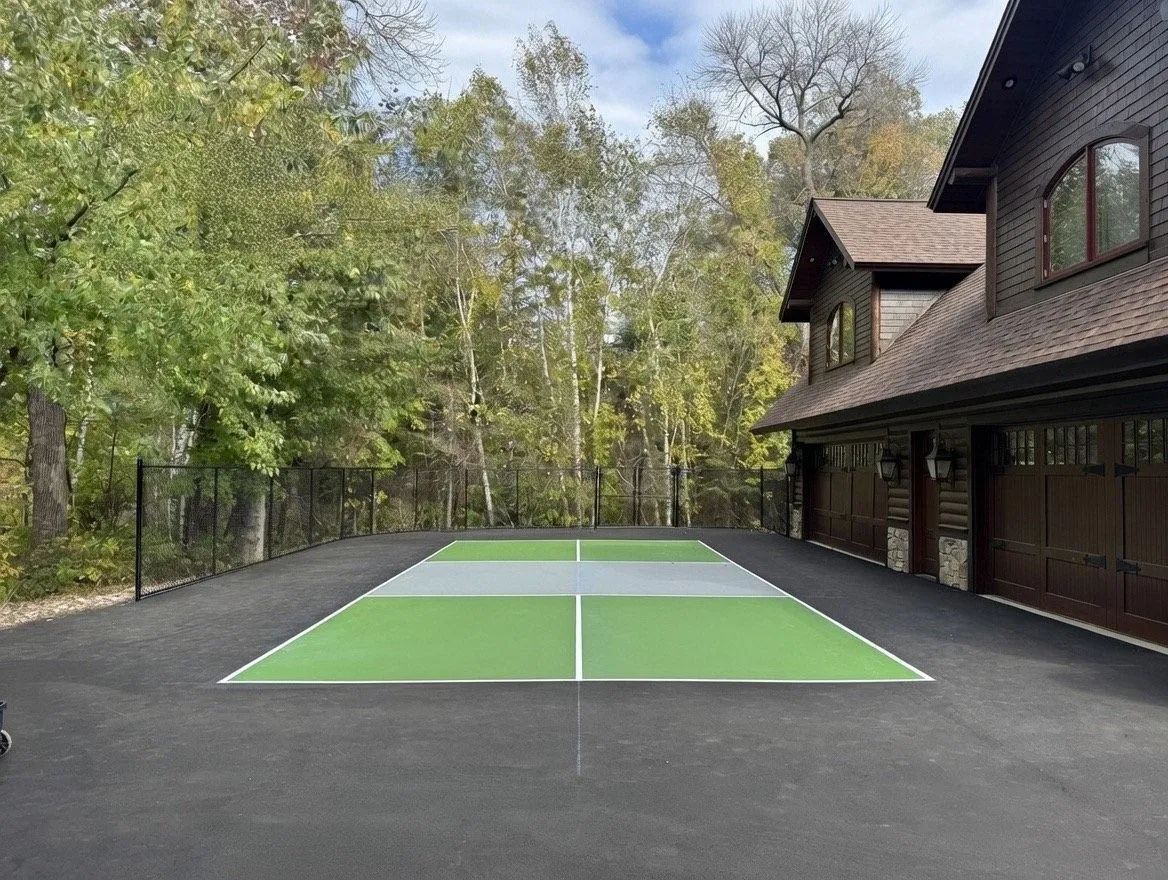
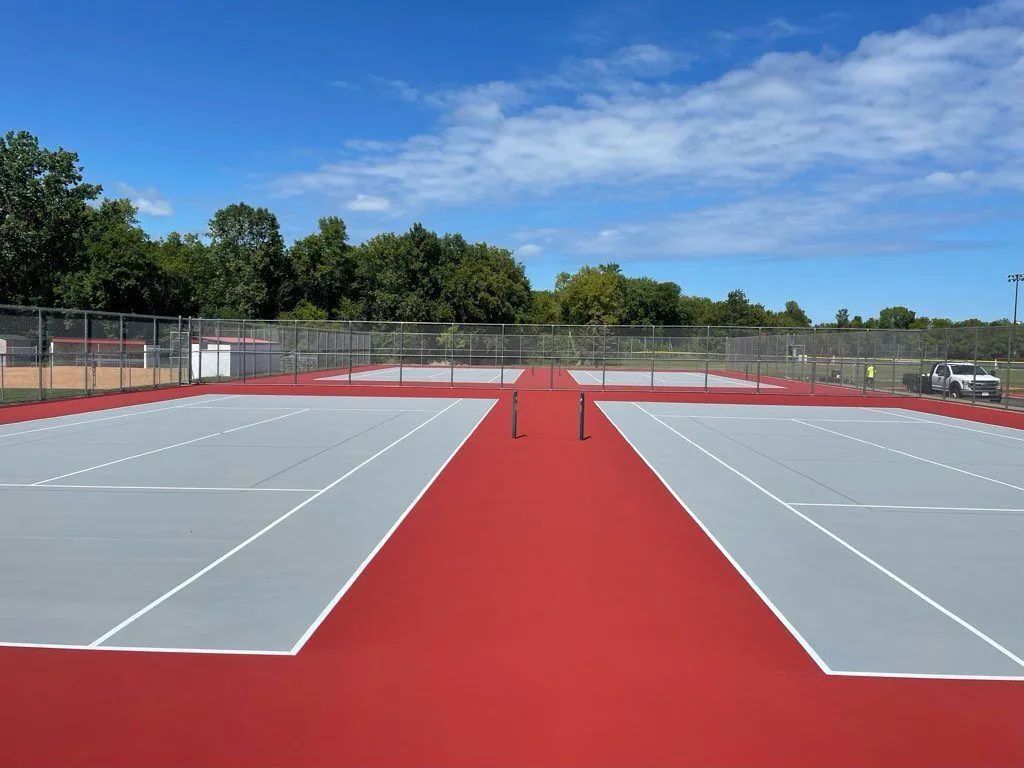
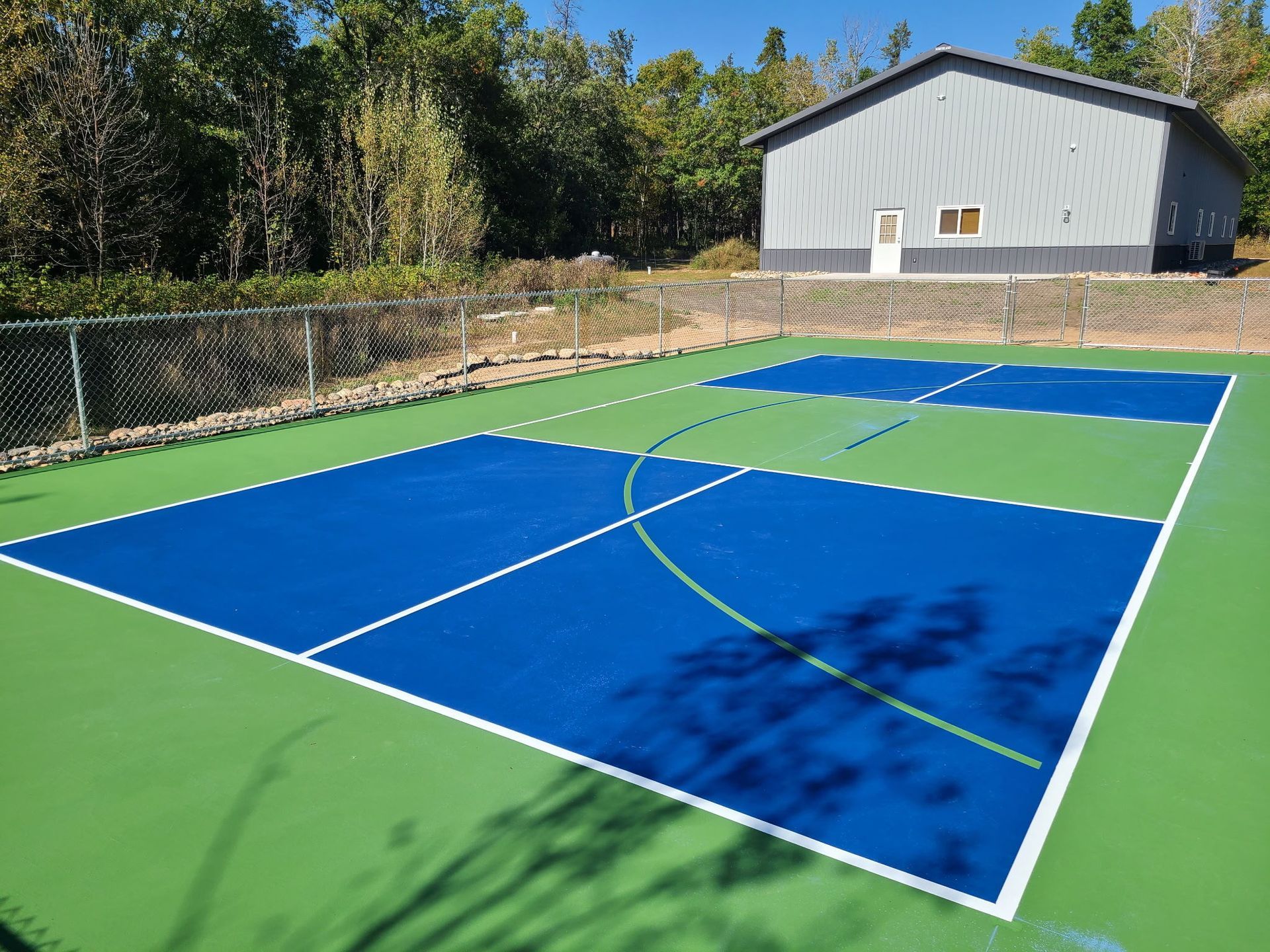
Standard pickleball courts measure 20 by 44 feet, but shared-use designs often involve multiple courts within a single tennis court footprint to optimize space efficiently. Selecting the right playing surface is crucial for durability, safety, and overall player experience. Acrylic and cushioned surfaces are preferred due to their ideal combination of traction, shock absorption, and weather resistance, ensuring consistent playability under various conditions while reducing the risk of injuries over time.
Lighting and Safety
Proper lighting is essential to extend play hours, ensure visibility, and enhance safety, particularly in community, indoor, or multi-use facilities. Modern LED lighting solutions provide energy-efficient illumination, reducing operational costs while delivering uniform visibility across the entire playing area. Fencing, boundary markings, and signage are also critical to protect players, prevent interference from surrounding areas, and maintain smooth game flow during active play sessions.
Amenities and Player Experience
Adding thoughtfully designed amenities such as seating, shaded areas, hydration stations, and equipment storage significantly enhances the player experience and overall satisfaction. Comfortable, well-planned facilities encourage longer visits, repeat play, and higher retention rates among members or casual players alike. Investing in quality amenities ultimately boosts facility usage, promotes positive word-of-mouth, and creates additional revenue opportunities for operators who focus on player-centered design and convenience.
Challenges and Best Practices
Managing Court Availability and Scheduling
High demand for pickleball courts can create scheduling conflicts and access challenges for facility users. Implementing online booking systems, automated reservation platforms, and time limits ensures equitable access for all participants while minimizing disputes. Efficient scheduling not only maximizes usage and revenue but also enhances overall player satisfaction and promotes long-term engagement among frequent visitors.
Addressing Wear and Tear
Frequent play accelerates wear on court surfaces, nets, and equipment, necessitating consistent maintenance practices. Regular inspections, timely repairs, and preventative maintenance protocols are essential to preserve court quality, safety, and aesthetics. Using durable materials, protective coatings, and investing in preventive measures reduces long-term costs and ensures reliable, high-quality playing conditions for all users.
Balancing Multi-Sport Usage
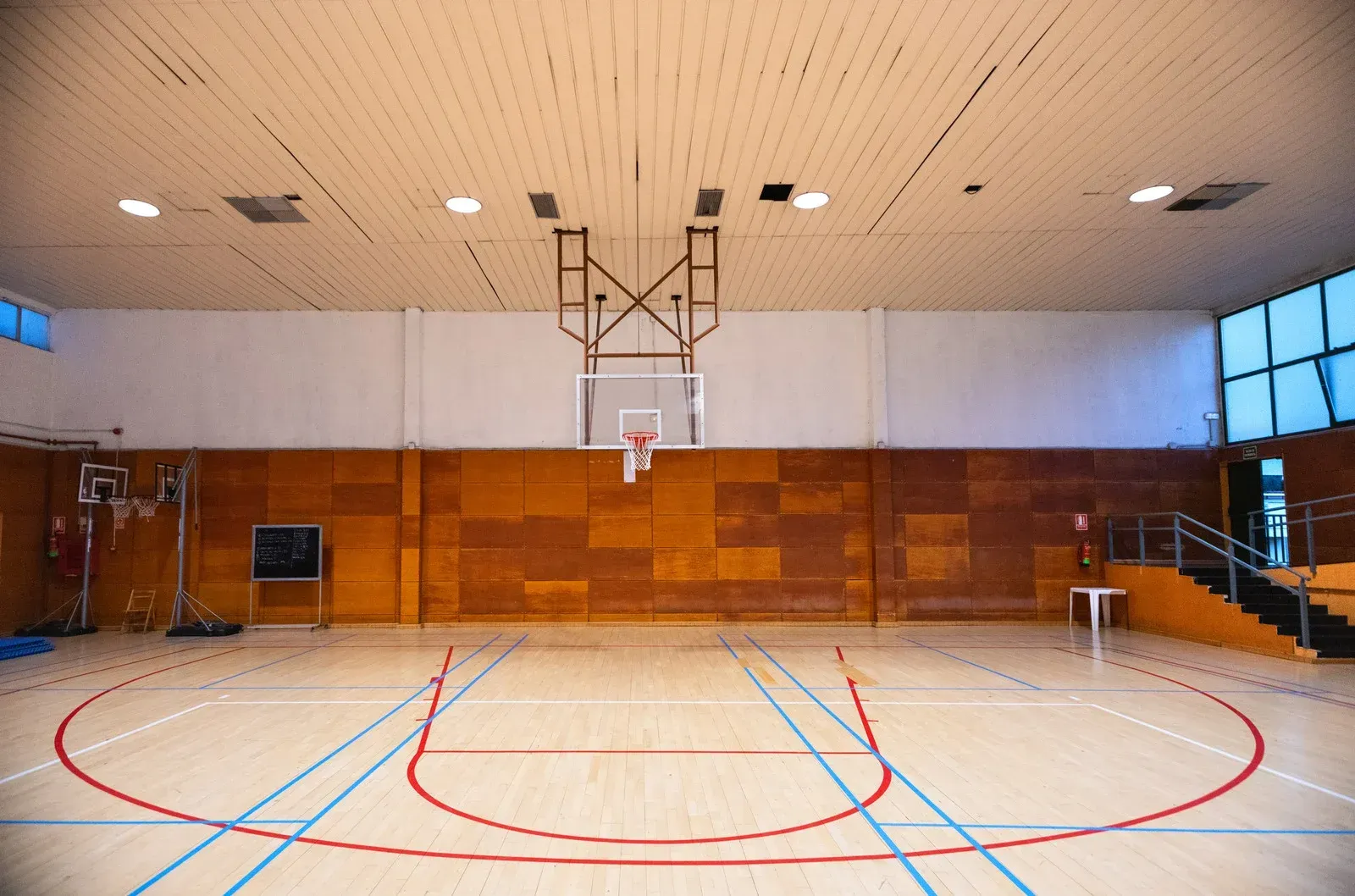
Facilities that share courts for multiple sports must carefully balance the needs of different user groups and activities. Clear communication, adaptable court markings, flexible scheduling policies, and staff oversight help minimize conflicts, ensure smooth transitions, and maintain positive experiences for every participant. Strategic planning in this regard supports community satisfaction and long-term facility success.
The Future of Pickleball in Sports Facilities
Expanding Demographics and Market Potential
Pickleball’s appeal continues to broaden beyond traditional recreational players, reaching schools, senior centers, corporate wellness programs, and youth organizations nationwide. Market research indicates sustained growth in player participation, tournament attendance, and facility demand over the next decade, reflecting a robust and expanding demographic. The sport’s versatility and accessibility ensure it remains relevant for diverse communities seeking fun, social, and active recreational options.
Technological Integration and Innovation
Modern sports facilities are increasingly incorporating technology such as performance tracking, automated scheduling, and live video streaming for tournaments and training sessions. These innovations enhance engagement, attract new participants, and create opportunities for digital content monetization. Facilities embracing technological integration are better positioned to capitalize on pickleball’s popularity while providing an elevated, interactive experience for players and spectators alike.
Sustainability and Long-Term Planning
Sustainability is a critical consideration for communities investing in recreational infrastructure. Using eco-friendly materials, energy-efficient lighting, water-conscious surface designs, and long-lasting equipment ensures pickleball courts remain environmentally responsible. Forward-thinking facility planning balances immediate community needs with long-term operational sustainability, creating a facility that remains attractive, functional, and cost-effective for decades to come.
Professional Experts Crafting Exceptional Pickleball Courts
Pickleball has firmly established itself as a transformative force in recreational sports. Its unique combination of accessibility, social engagement, health benefits, and economic viability positions it as a top choice for sports facilities seeking to attract diverse populations. Thoughtful design, strategic scheduling, and maintenance practices ensure that pickleball courts provide lasting value to communities while supporting sustainable operations. By understanding the factors driving the sport’s growth, facility managers can make informed decisions to enhance participation, revenue, and overall community satisfaction.
Outdoor Specialties, serving Northern and Central Minnesota, brings over 100
years of combined experience in designing and constructing high-quality athletic and recreational courts, including pickleball. Our team offers expert guidance on court layout, surface selection, lighting, and amenities, ensuring that each facility meets the unique needs of its users. Committed to excellence and customer satisfaction, Outdoor Specialties helps communities and organizations create vibrant, functional, and sustainable sports spaces. Partnering with our experienced professionals guarantees that your pickleball courts not only meet current demand but also adapt to future growth, delivering engaging and enjoyable recreational experiences for years to come.