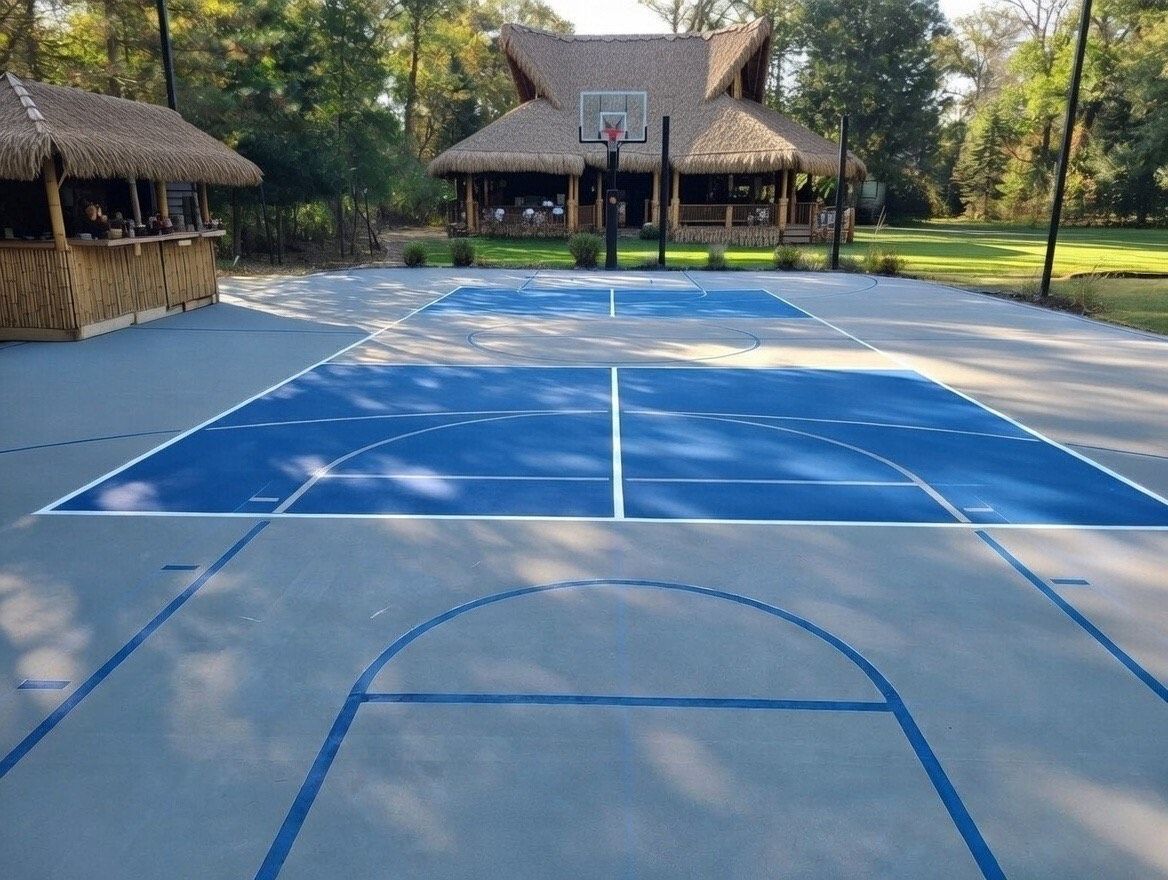

How Expert Basketball Court Construction Ensures Safety and Performance?
Basketball court construction plays a critical role in shaping both athletic performance and player safety, especially in competitive, school, and recreational environments. A properly engineered court is far more than a playing surface; it is a precision-built system designed to support movement, reduce injury risk, and enhance the overall game experience. From surface materials to structural grading and drainage systems, every construction detail directly influences how athletes perform under real-world conditions. It also determines how consistently the court responds during fast-paced gameplay and high-impact movements.
In modern sports infrastructure, demand for high-performance basketball courts has increased significantly. Facilities are expected to deliver consistent ball bounce, superior traction, and long-term durability while minimizing maintenance requirements. Poorly constructed courts often lead to uneven surfaces, joint strain, slips, and reduced gameplay quality, affecting both amateur and professional players. This makes expert basketball court construction a necessity rather than a luxury. Additionally, long-term cost efficiency is heavily dependent on the quality of initial construction and material selection.
Understanding the science and engineering behind court development helps stakeholders make informed decisions that prioritize safety, efficiency, and athletic excellence. Whether for indoor arenas or outdoor installations, precision-driven construction ensures that every game is played on a surface built for stability, responsiveness, and long-term reliability in all conditions. It also ensures compliance with modern sports standards, supporting consistent performance across varied levels of competition.
Section 1: Precision in Site Preparation and Base Engineering
Ground Assessment and Soil Stability
The foundation of any basketball court begins with a detailed analysis of soil composition and ground stability. A properly prepared base prevents long-term structural issues such as cracking, sinking, or uneven surfaces. Careful grading ensures load distribution remains balanced under high-impact gameplay conditions. This stage also identifies drainage challenges early, allowing corrective engineering decisions that support durability, safety, and consistent court performance across all levels of use and long-term reliability.
Compaction and Sub-Base Design
Compacted sub-layers provide essential support for the playing surface, forming a stable structural foundation beneath the court. Multiple layers of gravel and crushed stone are strategically installed to improve drainage, strength, and load distribution. Without proper compaction, courts may experience water pooling, shifting surfaces, and premature damage. This engineered base enhances durability, ensures consistent performance, and supports long-term stability under continuous athletic activity and environmental exposure across demanding usage conditions.
Importance of Load-Bearing Capacity
Expert construction focuses on ensuring that the base can withstand continuous dynamic loads generated during jumping, sprinting, and directional changes. This engineering precision significantly reduces long-term maintenance costs while improving safety performance. A properly designed load-bearing structure prevents surface deformation and structural fatigue, allowing the court to maintain consistent playability even under intense and repeated athletic usage over extended periods, ensuring long-lasting structural integrity and reliable performance outcomes.
Section 2: Surface Material Selection for Safety and Performance
Acrylic and Polyurethane Systems
Modern basketball courts rely on advanced surface materials such as acrylic coatings and polyurethane systems that deliver superior shock absorption, weather resistance, and consistent ball response. Selection depends on whether the court is indoor or outdoor, as environmental exposure significantly influences performance. These systems enhance durability, reduce maintenance frequency, and ensure a professional playing experience suitable for both training and competitive levels while maintaining consistent quality and surface reliability over time.
Texture and Grip Optimization
Surface texture directly impacts player traction and movement control during fast-paced gameplay. A properly engineered texture reduces slipping risks while maintaining smooth directional changes and stable footing. Overly smooth or excessively rough surfaces can both lead to performance inefficiencies and increased injury risks. Balanced grip design ensures athletes can accelerate, stop, and pivot with confidence while maintaining optimal control throughout the game, supporting consistent athletic performance and overall safety outcomes.
UV and Weather Resistance
Outdoor basketball courts require materials that resist UV degradation and extreme temperature fluctuations to maintain structural integrity over time. High-quality coatings ensure color stability and surface durability even under intense sunlight, heavy rainfall, and seasonal changes. Proper resistance properties prevent fading, cracking, and material breakdown, ensuring the court remains visually appealing and functionally reliable throughout prolonged environmental exposure and usage cycles, supporting long-term durability and consistent performance quality standards.
Section 3: Drainage Systems and Environmental Adaptation
Integrated Drainage Planning
Efficient drainage systems are essential in preventing water accumulation that can damage court surfaces and increase player safety risks. Proper sloped grading and subsurface drainage channels ensure rapid water runoff after rain or cleaning activities. These systems help maintain surface integrity, reduce maintenance needs, and prevent long-term structural weakening caused by standing water or moisture infiltration beneath the playing surface, ensuring safer play conditions and improved infrastructure reliability over extended use.
Moisture Control Techniques
Moisture control beneath basketball court surfaces plays a critical role in maintaining long-term durability and structural stability. Vapor barriers and permeable base layers regulate underground humidity levels, preventing material weakening and surface distortion. Proper moisture management reduces the risk of cracks, bubbling, and adhesive failure, ensuring consistent playing conditions and extending the overall lifespan of the court structure significantly while improving reliability and long-term performance outcomes in all environments.
Climate-Specific Design Adjustments
Basketball courts must be designed according to regional climate conditions to ensure long-term performance and durability. Hot climates require heat-resistant coatings that minimize surface expansion, while colder regions demand freeze-thaw protection systems that prevent cracking. These tailored engineering adjustments ensure consistent performance, structural stability, and reduced maintenance challenges across varying environmental conditions throughout the year, supporting safer usage and improved long-term operational efficiency for all facilities under diverse conditions.
Section 4: Line Markings, Geometry, and Compliance Standards
Accurate Court Dimensions
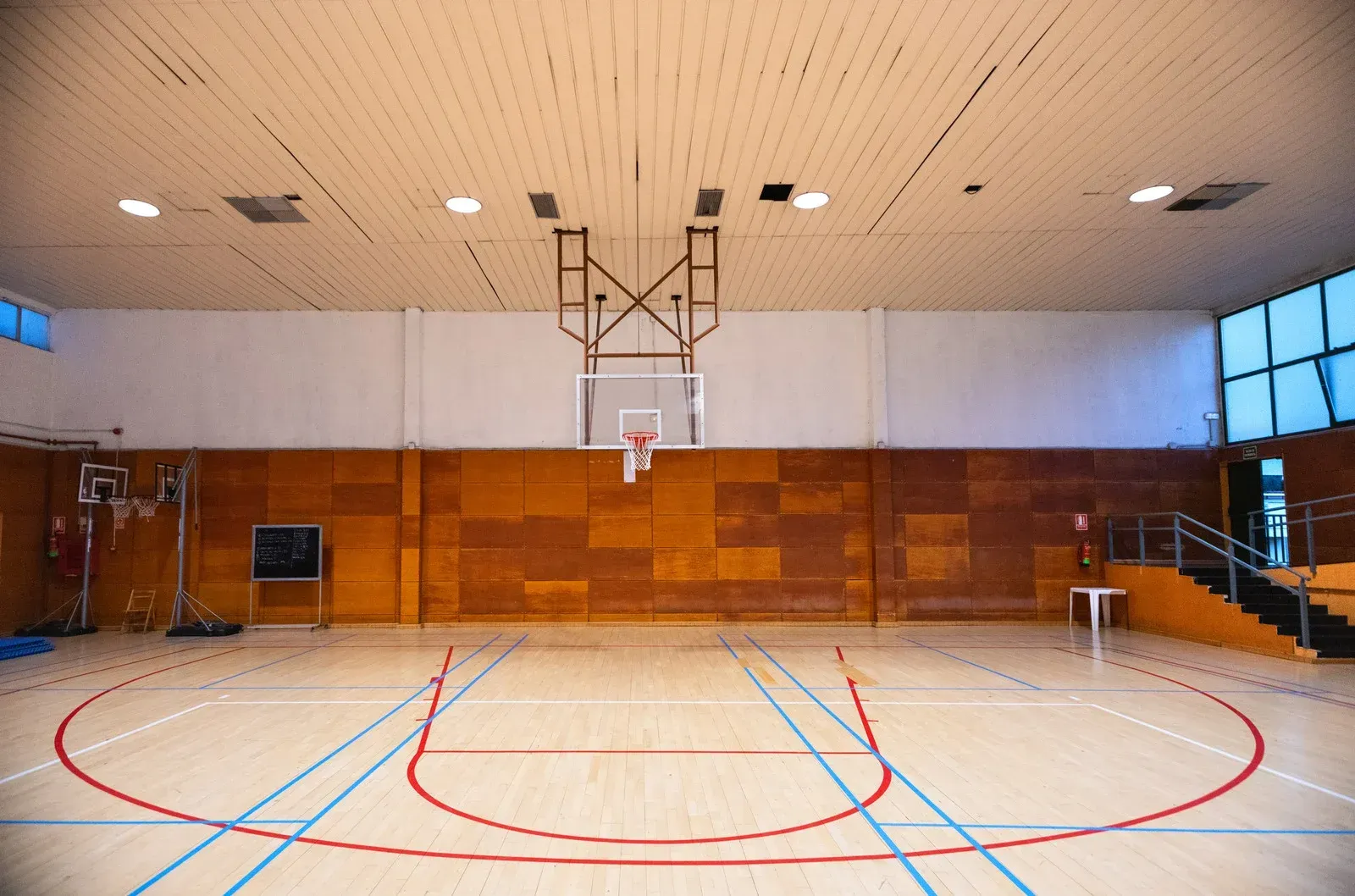
Precision in court layout ensures compliance with official basketball regulations and maintains gameplay integrity at all levels. Every measurement, including key areas, boundary lines, and three-point arcs, must be accurately marked to ensure fairness. Proper dimensional accuracy enhances player experience, supports competitive standards, and eliminates inconsistencies that could affect game flow or decision-making during play, ensuring consistent performance quality and reliable standards across all basketball court installations.
Durable Line Marking Materials
High-quality line marking materials are essential for maintaining visibility, accuracy, and long-term durability on basketball courts. Advanced paints and thermoplastic systems resist fading caused by frequent use, cleaning, and environmental exposure. Strong adhesion ensures markings remain sharp and clearly defined, supporting fair gameplay and professional standards. Reliable marking systems reduce maintenance frequency and maintain court aesthetics while ensuring consistent play conditions under continuous athletic activity and demanding operational environments.
Regulatory Compliance and Safety Standards
Basketball court construction must follow established regulatory guidelines to ensure safe and standardized gameplay conditions. Compliance with recognized sports specifications guarantees correct dimensions, surface quality, and structural integrity. Adhering to these standards minimizes liability risks and enhances player safety across all levels of use. Proper alignment with regulations also ensures fairness in competitive environments while maintaining consistent performance expectations throughout all installations and long-term operational scenarios.
Section 5: Maintenance Planning and Long-Term Performance Optimization
Preventive Maintenance Strategies
Routine inspections play a vital role in identifying early signs of surface wear, structural weakening, and drainage blockages in basketball courts. Preventive maintenance helps address minor issues before they develop into costly repairs or safety hazards. Regular upkeep ensures consistent playing conditions, extends surface lifespan, and maintains optimal performance quality throughout continuous usage cycles in demanding environments, ensuring long-term safety, performance reliability, and operational efficiency for facilities.
Resurfacing Techniques
Periodic resurfacing restores basketball courts by renewing surface grip, improving color vibrancy, and reinforcing structural consistency. This process removes wear-related imperfections and enhances overall playability. Resurfacing is essential for maintaining professional standards, ensuring athlete safety, and extending the functional life of the court under continuous usage in both recreational and competitive environments over extended periods, supporting durability and consistent performance quality across all usage conditions.
Usage Impact Management
Heavy usage patterns in basketball facilities, especially in schools and commercial arenas, require structured maintenance schedules to preserve court quality. Proper load management reduces surface strain, prevents premature wear, and ensures consistent performance over time. Monitoring usage intensity helps in planning maintenance activities effectively, ensuring long-term durability and uninterrupted playability across all levels of competition and recreational use, ensuring reliable performance and long-term safety across facilities.
Reliable Outdoor Specialties
Performance Driven Construction Approach
Expert basketball court construction directly determines the safety, durability, and performance quality of the playing environment. From foundational engineering and surface selection to drainage planning and regulatory compliance, every stage contributes to a reliable and high-performing court system. Proper construction minimizes injury risks, enhances athletic output, and ensures long-term structural stability under continuous use.
A well-designed court supports consistent gameplay conditions, allowing athletes to focus entirely on performance without concerns about uneven surfaces or environmental disruptions. This balance between engineering precision and material quality defines the success of any basketball facility.
At Outdoor Specialties, we bring a deep commitment to excellence in sports infrastructure development across Northern and Central Minnesota. With a 100
years of combined expertise, our approach emphasizes precision engineering, durable material selection, and performance-driven design. Every project is built with a focus on long-term reliability, player safety, and optimal game experience. Our expertise ensures basketball courts that consistently meet the highest standards of quality and functionality.