
Indoor vs. Outdoor Basketball Courts: Which Is Best for Your Space?
Basketball courts are no longer limited to schools and professional arenas. Today, they are a key feature in residential properties, community parks, recreation centers, and commercial developments. As interest in year-round fitness and recreational amenities continues to grow, choosing the right type of basketball court has become a critical planning decision. One of the most common questions property owners and facility managers face is whether an indoor or outdoor basketball court best suits their space, budget, and long-term goals. This decision influences how often the court will be used, who it will serve, and how it performs over time. From private homeowners to large-scale developers, the demand for well-planned basketball facilities continues to rise across diverse environments.
The choice between indoor and outdoor courts extends far beyond personal preference. Each option presents unique advantages, challenges, and design considerations that directly impact performance, maintenance, user experience, and overall value. Climate, available space, intended usage, and lifecycle costs all play an important role in determining which court type delivers the best return on investment. Long-term durability, safety standards, and accessibility must also be carefully evaluated. A thoughtful comparison helps prevent costly mistakes and ensures the court meets both current and future needs. Understanding these differences is essential for making an informed, future-proof decision that aligns with both practical requirements and user expectations.
This blog explores the key distinctions between indoor and outdoor basketball courts, offering clear, expert-driven insights to help you determine which option is best suited for your space.
1. Understanding the Core Differences Between Indoor and Outdoor Courts
Structural and Environmental Considerations
Indoor and outdoor basketball courts differ fundamentally in how they interact with surrounding environments and long term exposure conditions. Indoor courts exist within climate controlled buildings, shielding surfaces from weather, temperature swings, moisture, and ultraviolet radiation. This protection ensures predictable play, consistent ball response, and year round usability, making indoor courts ideal for facilities prioritizing reliability, performance consistency, and uninterrupted scheduling demands for professional operations and institutional athletic programming.
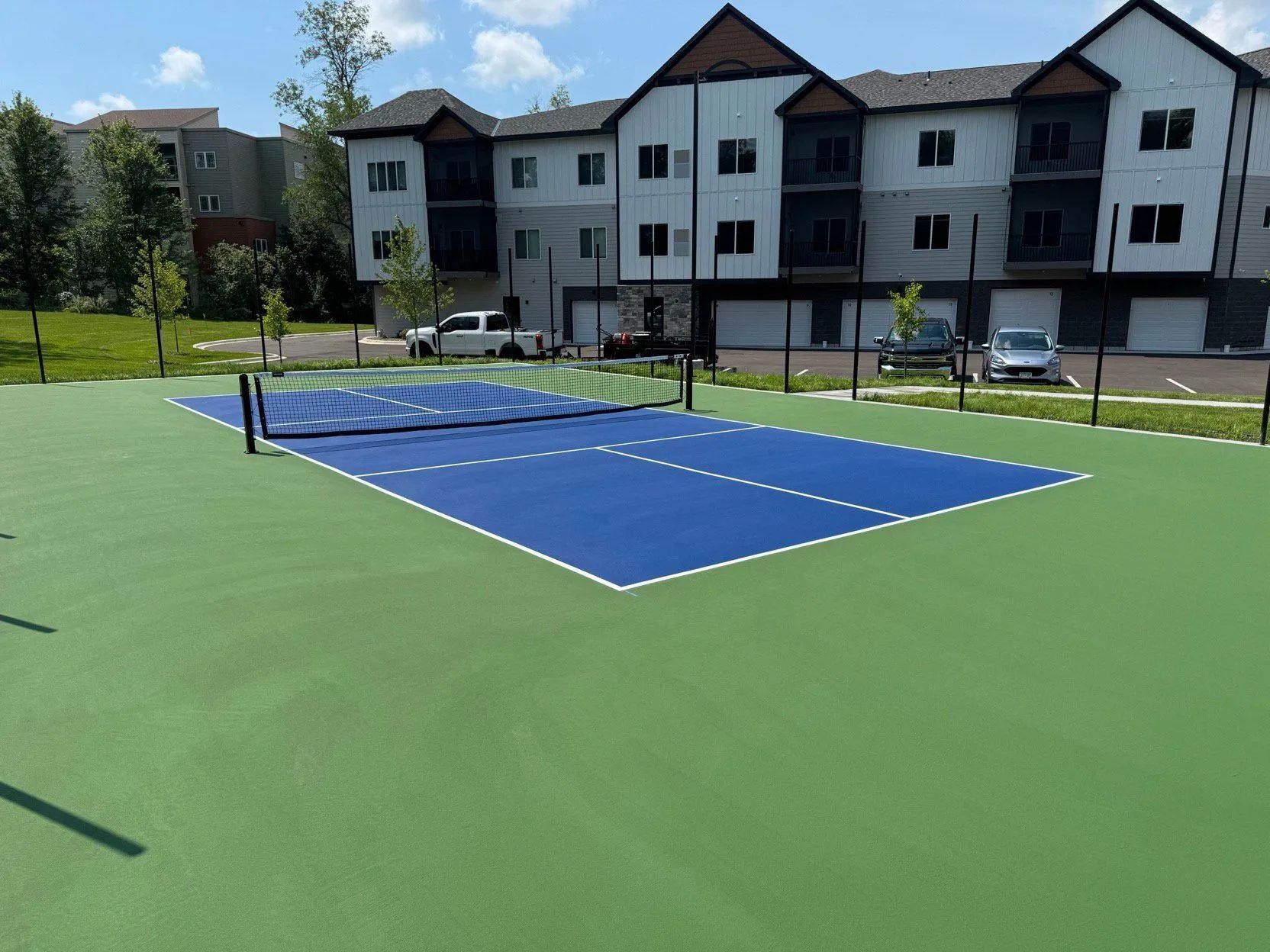
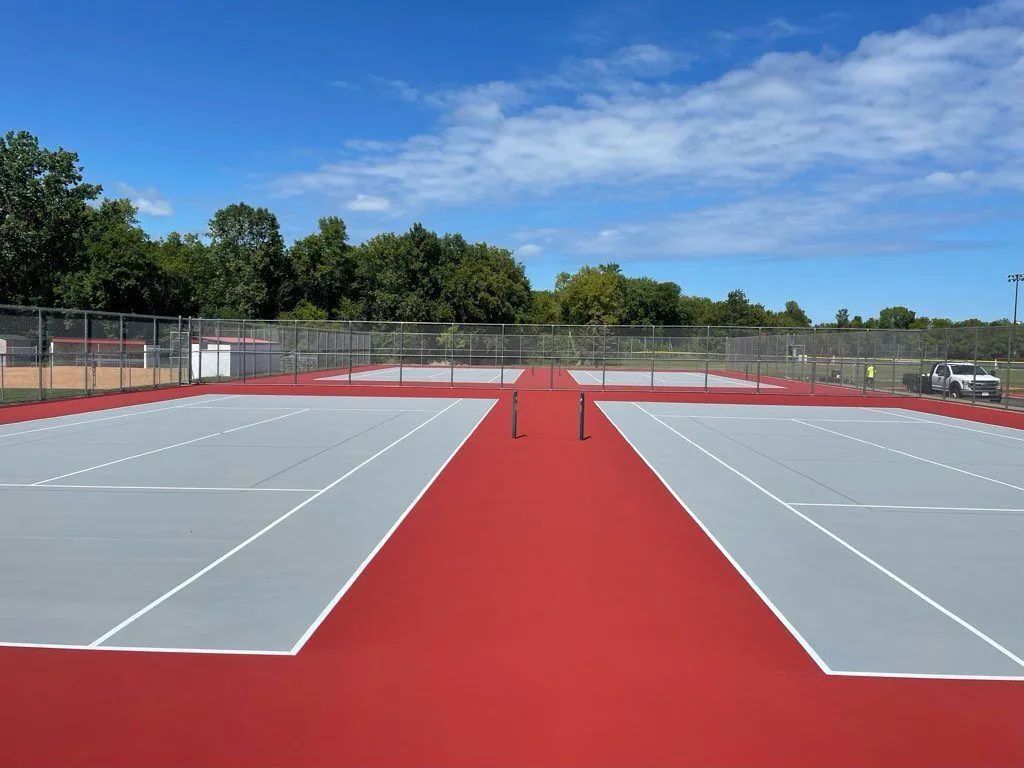
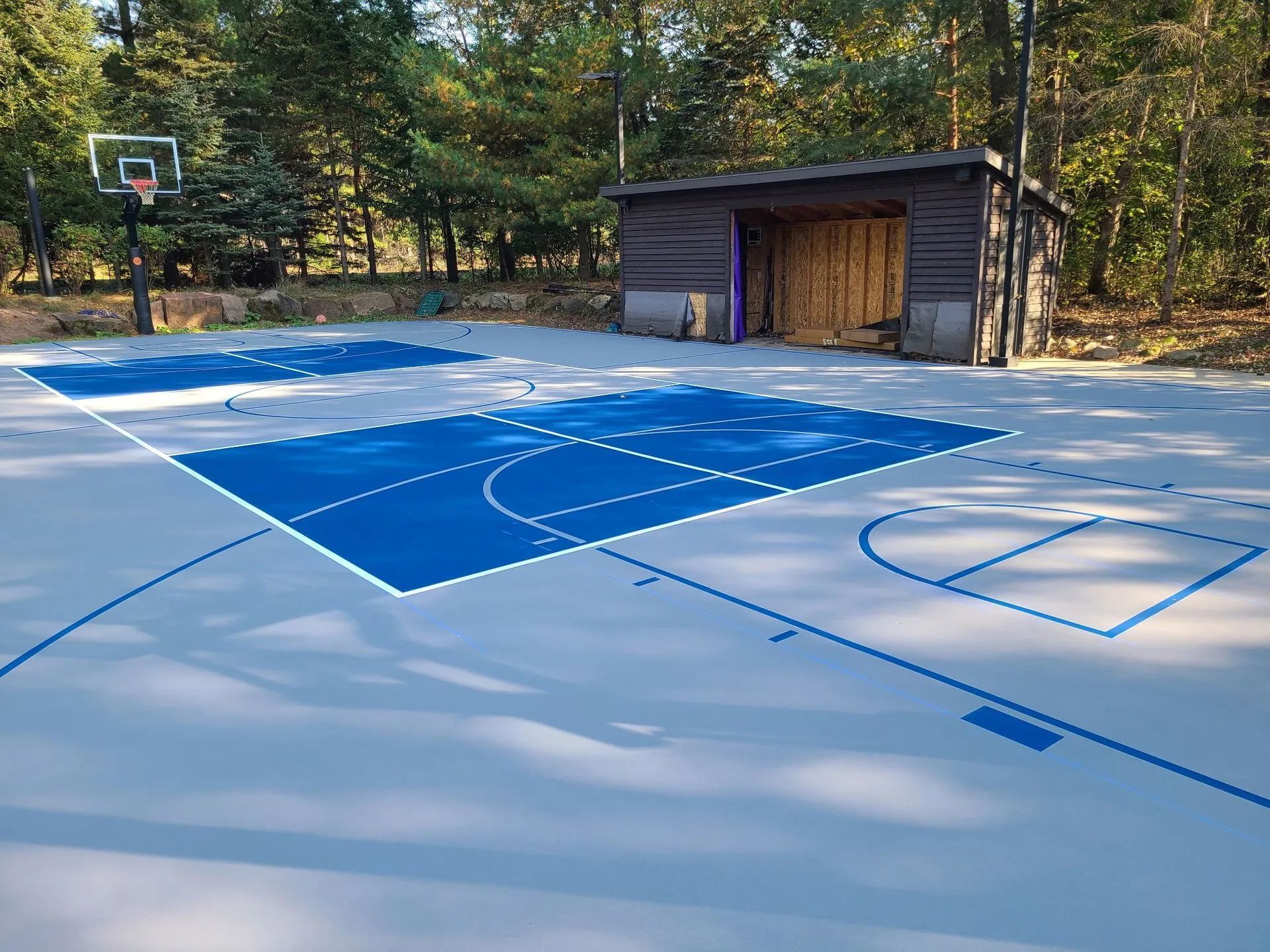
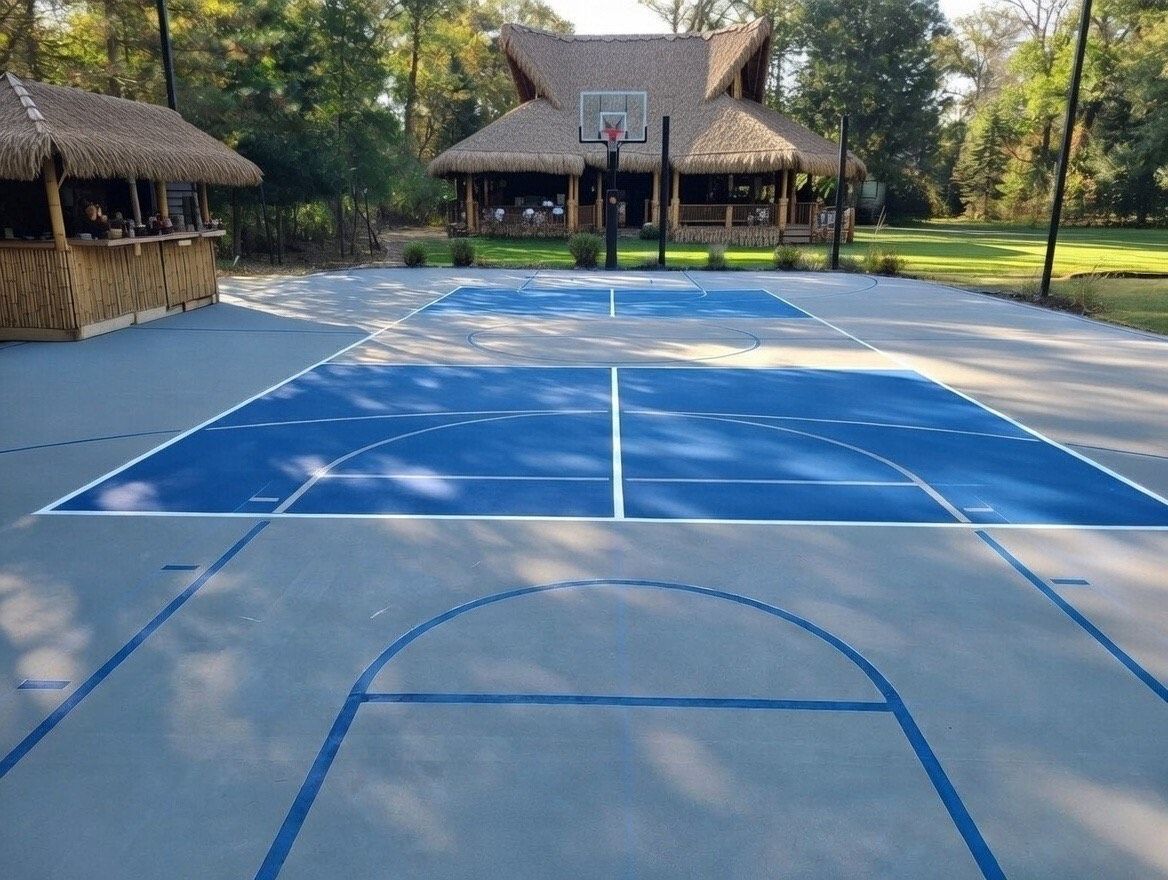
Outdoor basketball courts are directly exposed to natural elements such as rain, snow, heat, wind, and sunlight throughout the year. This exposure introduces durability challenges that require specialized materials and thoughtful drainage design. However, outdoor courts allow flexible placement in open areas, reduced construction complexity, and easier integration into parks, schools, residential properties, and shared community recreation spaces that encourage frequent public use and accessibility for diverse populations.
Usage Patterns and Accessibility
Indoor courts are commonly designed to support organized play, structured training programs, leagues, tournaments, and competitive athletic events. Their controlled environment allows administrators to schedule activities precisely and maintain consistent standards. Outdoor courts typically serve casual players, pickup games, and informal practice, encouraging spontaneous participation and broad community access across age groups and skill levels with minimal barriers to entry for recreational engagement and inclusion overall.
2. Space Requirements and Site Planning
Indoor Court Space and Design Needs
Indoor basketball courts require substantial square footage beyond the playing surface itself to meet functional and safety standards. Adequate ceiling height, lighting systems, seating areas, storage rooms, and safety clearances must be incorporated. Structural engineering, ventilation systems, acoustics, and building code compliance further increase planning complexity, making indoor courts best suited for purpose built recreational or commercial facilities designed for long term organized use needs and operational efficiency.
Outdoor Court Flexibility
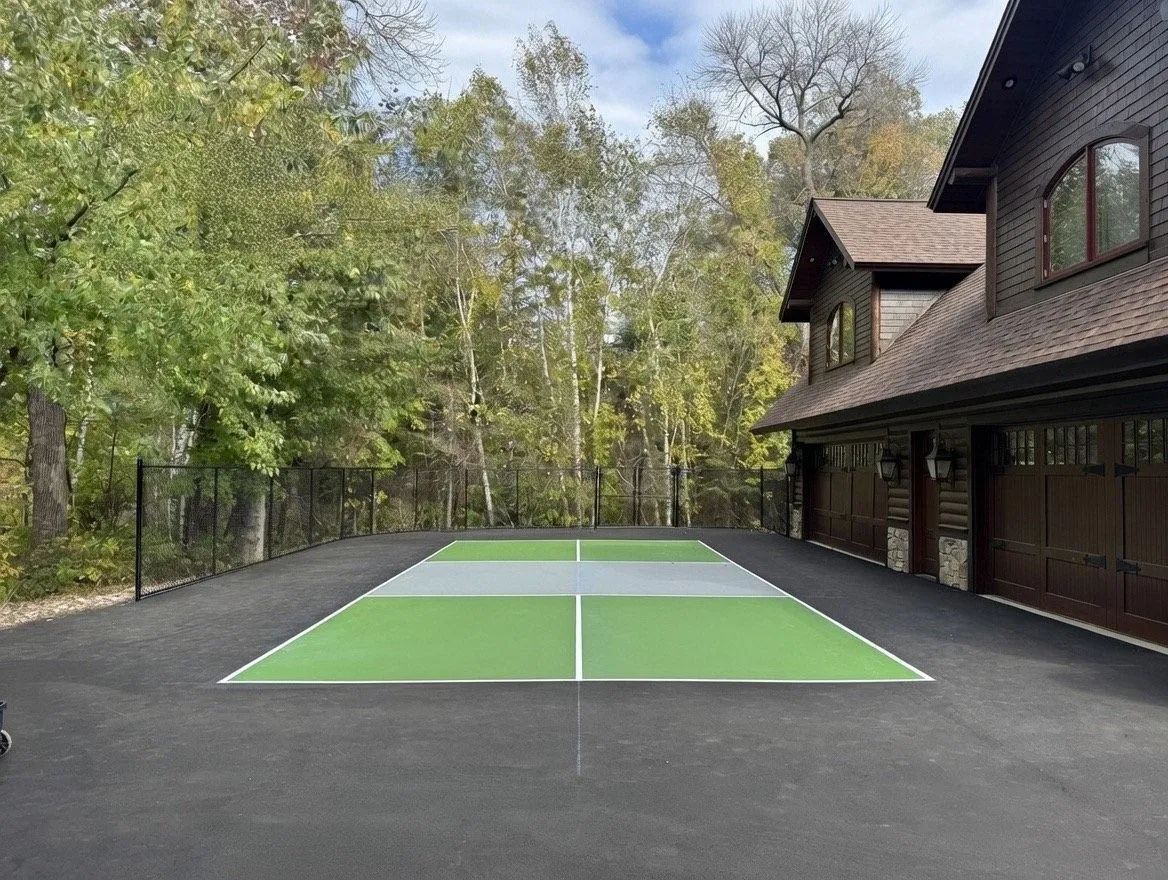
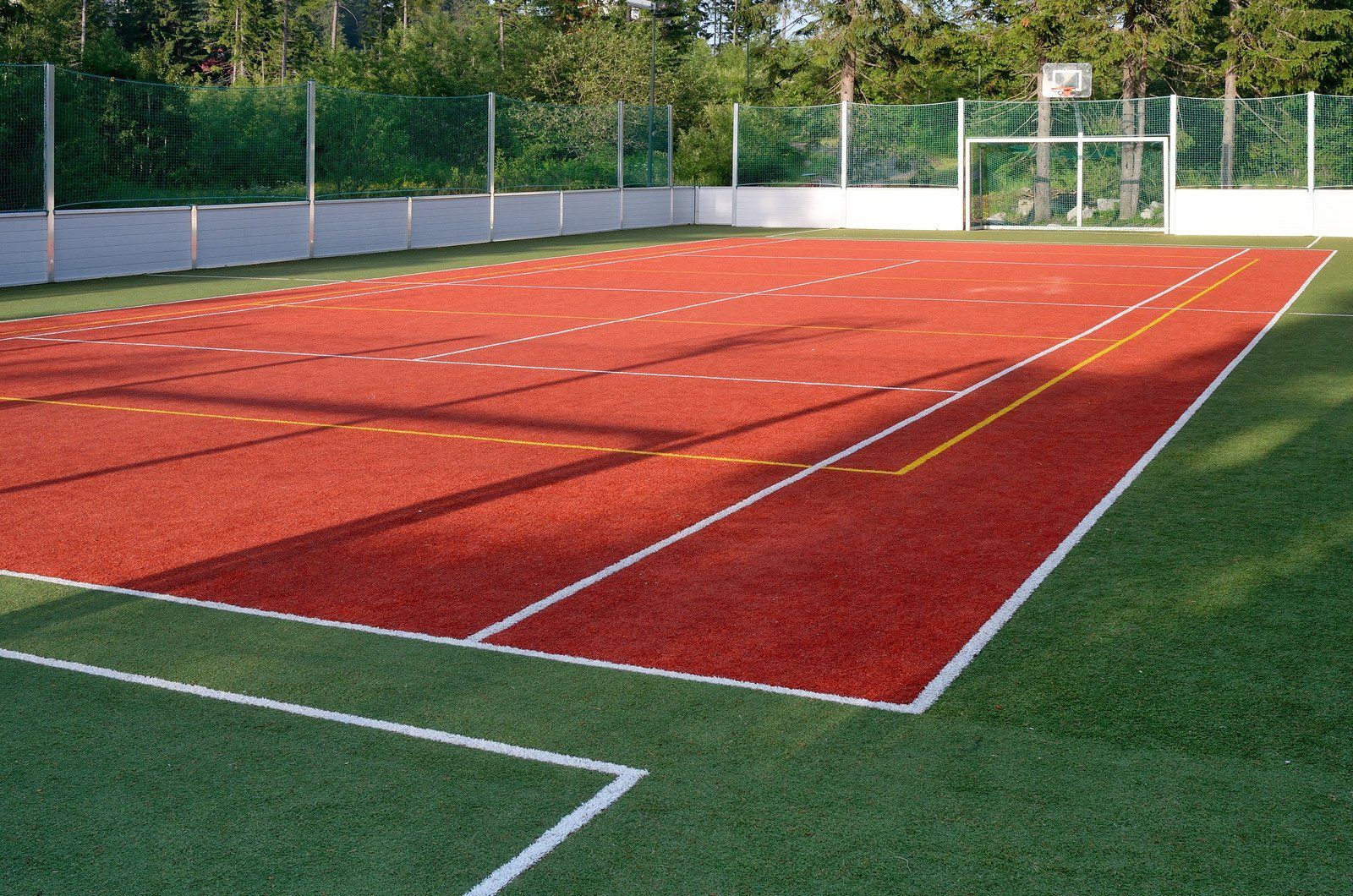
Outdoor basketball courts offer greater adaptability when space availability is limited or irregular. They can be constructed as full size regulation courts or smaller half court configurations to match site constraints. Planning primarily focuses on grading, drainage, and surface stability rather than structural construction, allowing outdoor courts to fit seamlessly into diverse locations with minimal spatial limitations while supporting cost efficient installation and long term operational flexibility.
3. Performance, Safety, and Player Experience
Playing Surface and Game Consistency
Indoor basketball courts typically feature hardwood or advanced synthetic flooring engineered for performance precision. These surfaces provide reliable ball bounce, consistent traction, and smooth player movement during fast paced play. Reduced joint impact and predictable footing make indoor courts preferred for competitive games, skill development, and training environments where performance accuracy and athlete comfort are essential for long term player development and injury risk reduction outcomes.
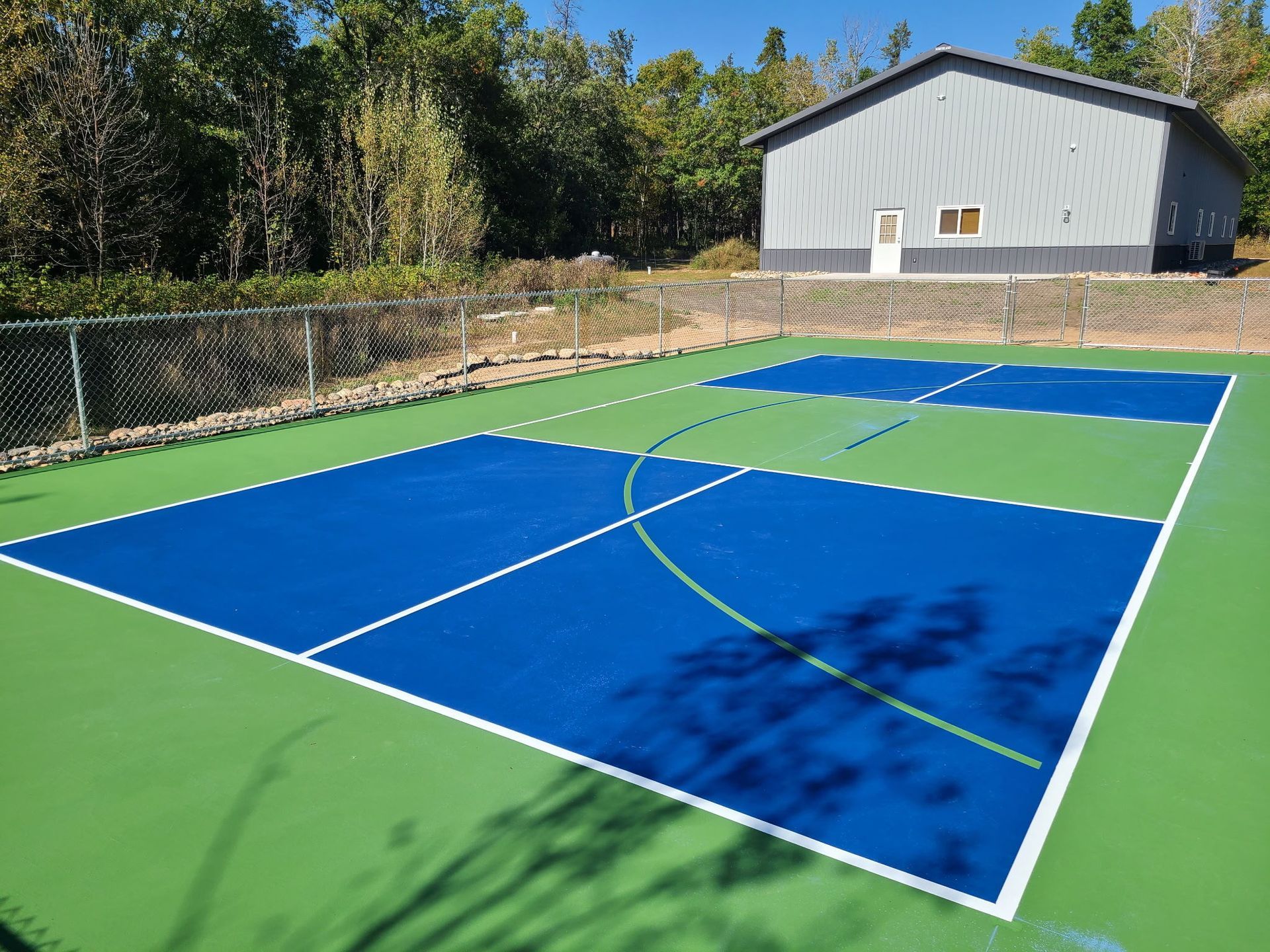
Outdoor courts are commonly built using asphalt, concrete, or modular sport tile systems designed for environmental resilience. These materials withstand temperature fluctuations, moisture, and ultraviolet exposure while maintaining usable traction. Although outdoor surfaces may not replicate indoor precision, modern designs provide effective shock absorption and reliable performance for recreational play, training sessions, and community based athletic activities across varied age groups and usage levels year round.
Safety Considerations
Indoor basketball courts benefit from controlled lighting, regulated temperatures, and predictable surface conditions that reduce environmental risks. Hazards such as debris, moisture accumulation, and extreme heat are largely eliminated. Outdoor courts require careful planning around drainage, surface coatings, and seasonal inspections to prevent slipping, cracking, or heat related injuries, ensuring safe play throughout changing weather conditions for diverse user groups, consistent access, and liability reduction goals.
4. Maintenance, Durability, and Long-Term Costs
Indoor Court Maintenance
Indoor basketball courts require ongoing maintenance to preserve appearance, safety, and performance quality. Routine cleaning, dust control, and climate regulation are essential for surface longevity. Hardwood floors periodically need sanding, sealing, and refinishing to maintain traction and aesthetics. Although maintenance costs accumulate over time, environmental protection significantly extends surface lifespan and performance consistency when managed through professional maintenance programs and scheduled care practices long term planning strategies.
Outdoor Court Longevity
Outdoor basketball courts are engineered with durability as a primary design priority. High quality coatings and resilient materials resist moisture penetration, temperature extremes, and ultraviolet degradation. Maintenance typically involves cleaning debris, repairing cracks, and repainting lines as needed. While surface wear may occur faster outdoors, lower installation and operating costs help balance long term ownership expenses for budget conscious organizations, schools, parks, and community planners managing public resources.
5. Budget Considerations and Return on Investment
Initial Installation Costs
Indoor basketball courts involve higher initial installation costs due to building construction, structural systems, lighting, climate control, and specialized flooring. These investments are typically justified in facilities that host leagues, tournaments, or revenue generating programs. Indoor courts support consistent scheduling and premium experiences, making them suitable for organizations seeking long term operational value and controlled athletic environments with predictable usage, staffing, and program delivery goals and revenue stability.
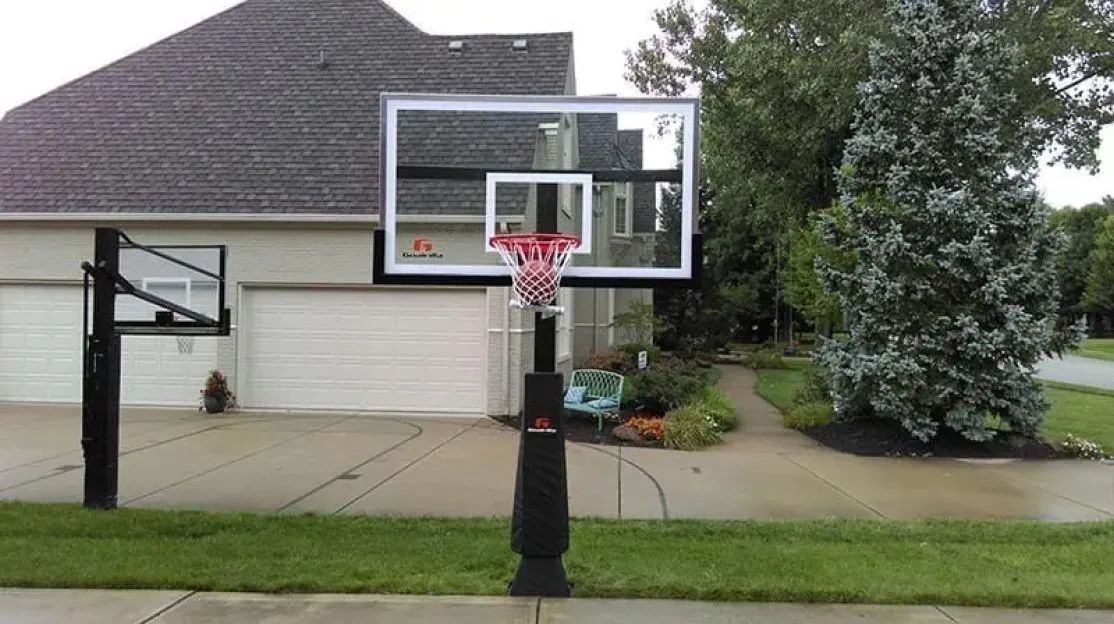
Outdoor basketball courts are far more cost effective to install because they do not require enclosed structures or complex building systems. Expenses focus primarily on surface materials, fencing, hoops, and site preparation. This affordability makes outdoor courts ideal for municipalities, schools, and residential properties seeking accessible recreation options while maintaining quality, safety, and long term functionality across diverse communities, usage levels, and funding constraints environments nationwide.
Long-Term Value
Indoor basketball courts provide consistent usability regardless of weather conditions, enabling reliable scheduling and structured programming throughout the year. This predictability supports leagues, training sessions, and events with minimal disruption. Outdoor courts deliver strong long term value by encouraging community engagement, visibility, and informal participation while operating with minimal overhead, making them effective assets for public and shared recreational spaces that support inclusive physical activity and social interaction.
Choosing between an indoor and outdoor basketball court requires a thoughtful evaluation of space, budget, performance expectations, and long-term use. Indoor courts deliver controlled conditions, premium playing experiences, and year-round reliability, making them ideal for competitive and organized environments. Outdoor courts offer flexibility, affordability, and accessibility, supporting recreational play and community engagement in a wide range of settings.
Both options can provide exceptional value when designed and installed with expert planning and high-quality materials. The key lies in aligning your court choice with how the space will be used today and how it may evolve in the future.
Trusted Specialists in High-Performance Sports Surfaces
For property owners, schools, municipalities, and organizations seeking expert guidance in basketball court development, Outdoor Specialties stands as a trusted industry authority. Serving Northern and Central Minnesota, the company brings 100 years of experience in designing and delivering durable, high-performance outdoor athletic spaces. Their deep understanding of regional climate conditions, material performance, and long-term maintenance requirements allows them to create basketball courts that balance functionality, safety, and longevity. Outdoor Specialtiesalso offers tailored consulting for site selection, drainage solutions, and material choice, ensuring each project meets unique environmental and user needs. Their commitment to innovation means clients benefit from the latest surface technologies and industry best practices, optimizing performance under Minnesota’s seasonal challenges.
Outdoor Specialties
has built its reputation on craftsmanship, reliability, and a commitment to quality that spans generations. By combining proven construction practices with modern court technologies, the company helps clients make informed decisions that maximize value and usability. Whether supporting community recreation, school athletics, or private installations, Outdoor Specialties
provides the expertise needed to ensure every court performs at the highest level for years to come. Additionally, they offer comprehensive maintenance guidance, project oversight, and post-installation support, helping clients protect their investment long term. Their focus on safety, durability, and aesthetic appeal makes every project both functional and visually appealing, reinforcing Outdoor Specialties’ role as the premier choice for basketball court development in the region.