STEP-BY-STEP GUIDE TO BUILDING A PICKLEBALL COURT: FROM PLANNING TO COMPLETION

November 19, 2024

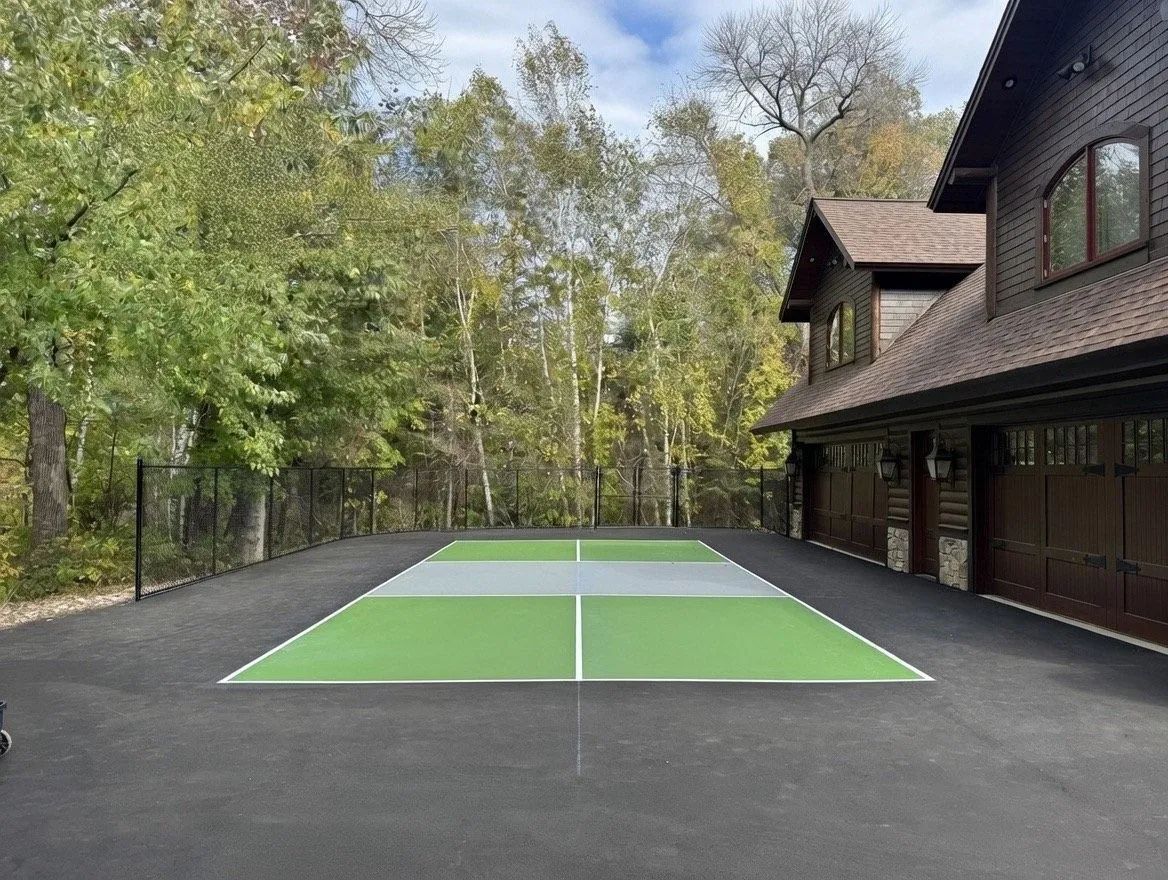
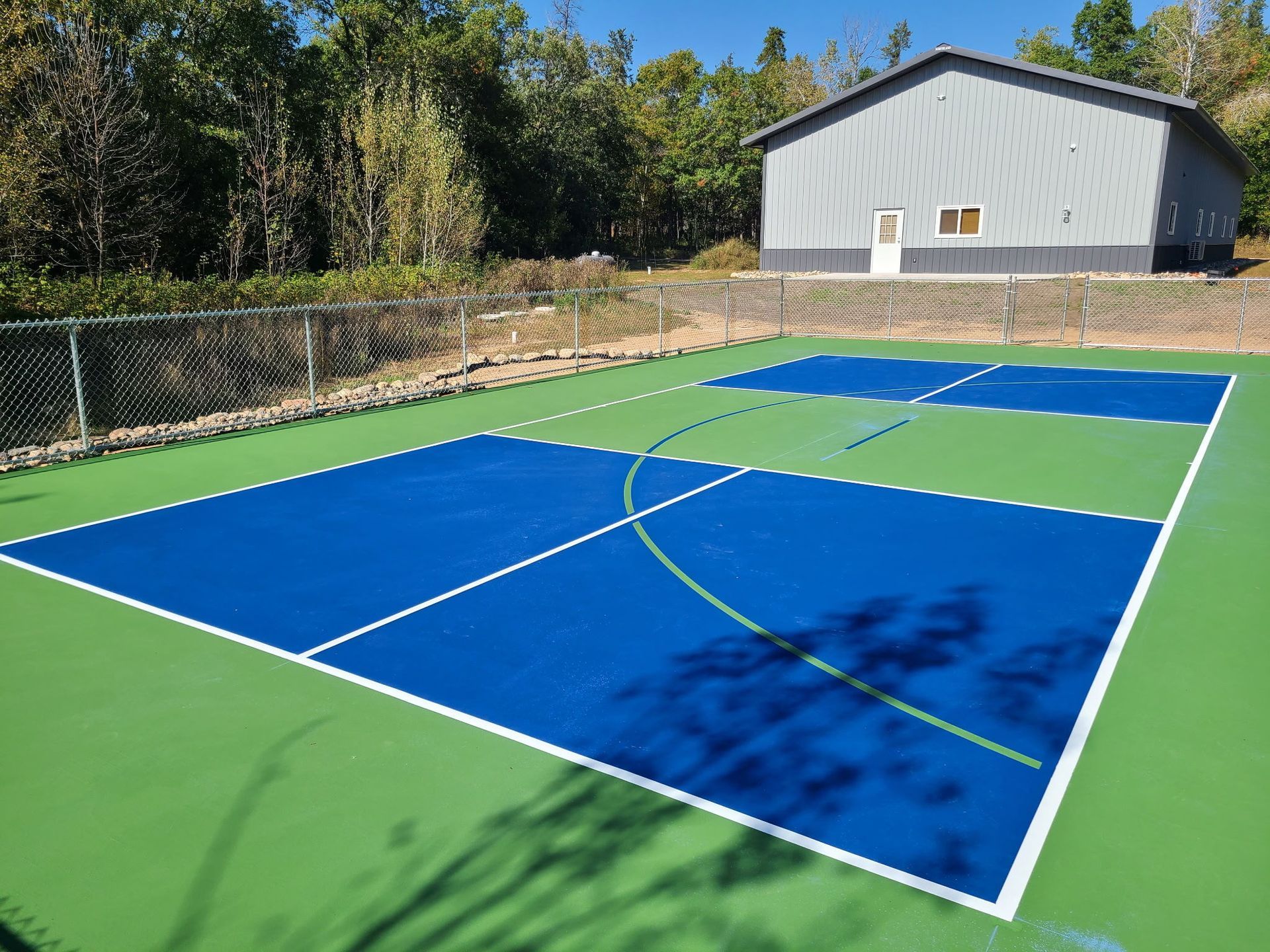
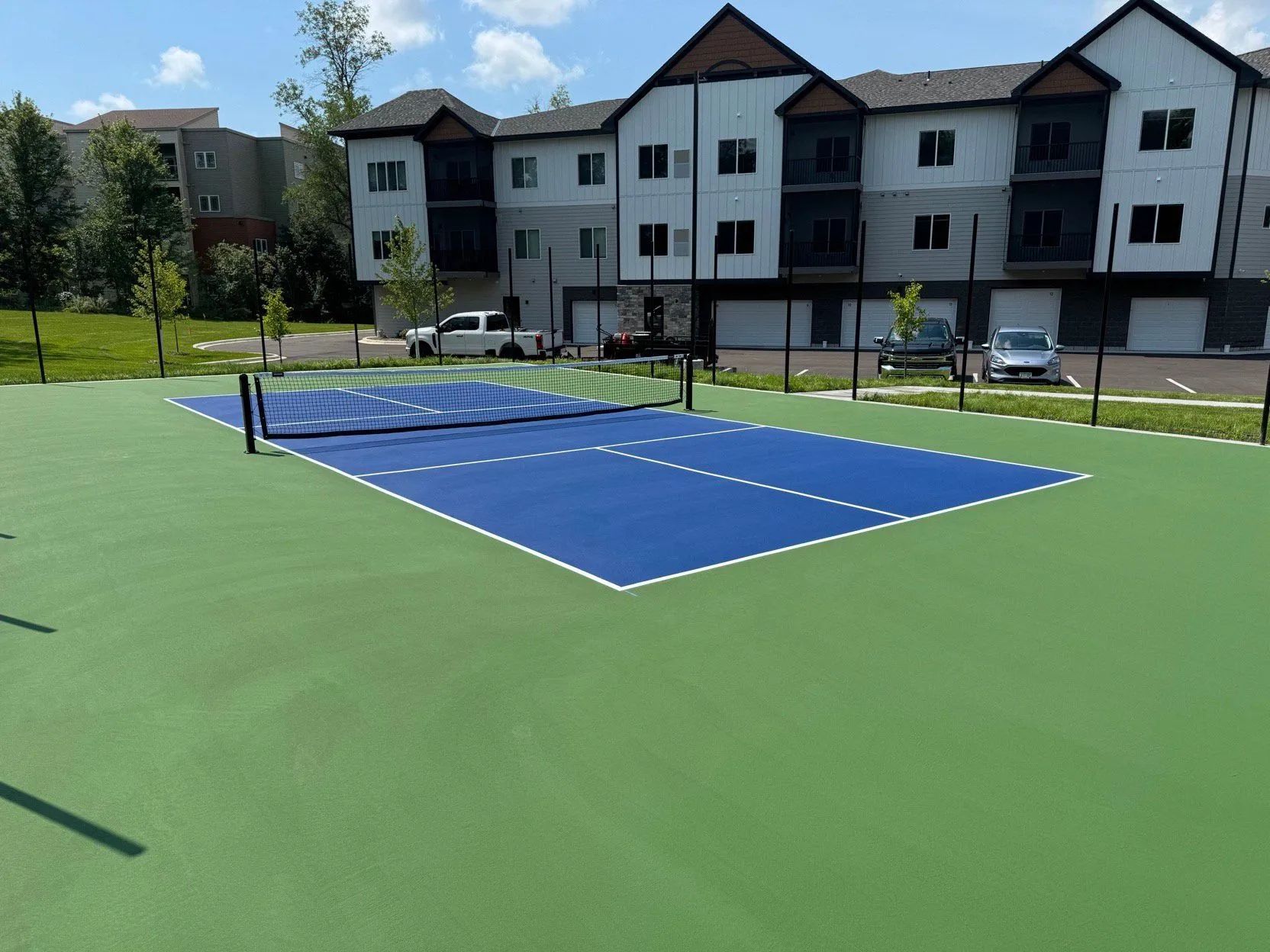
Building your own pickleball court can be a rewarding and exciting project. Whether you want a dedicated space for casual games or a more professional setup, this step-by-step guide will help you from planning to completion. You’ll need to consider space, materials, and costs, but with careful preparation, you can create a court that will provide hours of fun and fitness.

1. Assess Your Space

Before you dive into construction, it's essential to first evaluate your available space. A regulation pickleball court measures 20 feet by 44 feet, with extra space for safety around the court. If you're repurposing an existing area, like a tennis court, make sure it can accommodate these dimensions. Also, check for any local zoning laws that could impact your plans​.

2. Select Materials and Surface

The next step is to choose the materials for your court. Concrete and asphalt are the most common options for durability and longevity. Concrete provides a smooth, stable surface ideal for competitive play, while asphalt is more affordable but requires more maintenance​. Once you've decided on a material, you'll also need to think about the type of netting and poles required. A standard pickleball net is 34 inches high at the center and should be installed securely​.

3. Mark and Prepare the Ground

Once you've selected your materials, it's time to mark the boundaries. Using stakes and string, outline the court's dimensions on the ground. Ensure the lines are straight and accurately measured. If your land is uneven, you may need to excavate the area to create a flat surface​. After preparing the ground, add a layer of gravel or crushed stone as a base, which helps with drainage and ensures a level foundation​.

4. Install the Surface

The next step is to install the court surface. Concrete or asphalt needs to be laid down evenly, with enough curing time for a solid finish. This step can take a few days, depending on the weather and surface type​. Make sure the surface is level to prevent any bounce inconsistencies during play.

5. Apply Court Markings

Once the surface is set, the next step is marking the court lines. Use durable outdoor paint or court striping tape to mark the baselines, sidelines, service areas, and non-volley zones. The lines should be 2 inches wide and clearly visible. Ensure the paint is resistant to wear and tear from regular play.

6. Enjoy Your New Court

Once everything is set up, take a step back and admire your new pickleball court. You’ve created a space that will not only be a fun place to play but will also encourage social gatherings and physical activity. Whether you’re playing with family, friends, or neighbors, a backyard court brings endless entertainment right to your doorstep.

Building a pickleball court is an investment in both your home and your health. With a little time and effort, you'll have a fantastic space to enjoy one of the fastest-growing sports in the world.
Blue and green tennis court with net, bleachers in the background.
November 28, 2025
Designing an athletic court that accommodates multiple sports while maintaining long-term durability requires thoughtful planning, quality materials, and expert craftsmanship.
Blue and gray pickleball court with net, pergola, and view of water.
October 30, 2025
Every successful game depends on more than the players and their skills; the playing surface plays an equally crucial role in ensuring fairness and accuracy.
Blue and green tennis courts, black fences, houses in the background, under a bright blue sky with clouds.
September 24, 2025
Resurfacing a Basketball court is a major project that can restore safety, improve play quality, and extend the lifespan of the surface.
Pickleball court with a blue and red playing surface, nets, and a building in the background.
December 1, 2025
Athletic courts take a pounding, subjected to constant foot traffic and every kind of weather, which slowly but steadily erodes their performance and safety.
Blue and green tennis court with net, bleachers in the background.
November 28, 2025
Designing an athletic court that accommodates multiple sports while maintaining long-term durability requires thoughtful planning, quality materials, and expert craftsmanship.
Basketball hoop on a turquoise court, surrounded by a fence and trees, overcast sky.
November 1, 2025
Designing a basketball court for your property is a tedious process, as it requires precise measurements, and even small missteps can lead to unsatisfactory results.
Blue and gray pickleball court with net, pergola, and view of water.
October 30, 2025
Every successful game depends on more than the players and their skills; the playing surface plays an equally crucial role in ensuring fairness and accuracy.
Blue tennis court with white lines and net, green surrounding area.
October 10, 2025
Tennis court construction involves attention to performance details, drainage systems, material selection, and precise planning.
Blue and green tennis courts, black fences, houses in the background, under a bright blue sky with clouds.
September 24, 2025
Resurfacing a Basketball court is a major project that can restore safety, improve play quality, and extend the lifespan of the surface.
Pickleball courts: blue/green surface, white lines, nets. Outdoor setting.
September 2, 2025
Similar to other regions in the country, pickleball has become one of the fastest-growing sports in Brainerd, MN. After all, it is easy to pick up and fun for people of all ages.
Pickleball court with a blue playing surface, net, and a ball/paddle on the court. Green surround.
August 25, 2025
Pickleball has become one of the fastest-growing sports in recent years, attracting players of all ages who want a game that combines fun, fitness, and social interaction.
Red and green sports court with basketball hoop and soccer goal.
August 1, 2025
Brainerd’s love for the outdoors doesn’t disappear when the snow falls, but it simply shifts. Summers are short, vibrant, and packed with activity